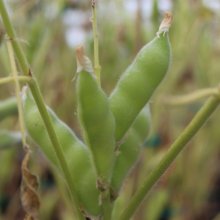




The INCREASE project has significantly improved knowledge, conservation and use of lupin genetic resources, focusing on two important high-protein species: white lupin (Lupinus albus) and Andean lupin (Lupinus mutabilis). Lupins are valuable for sustainable agriculture but are still underused and less researched compared to major crops.
Building Intelligent Lupin Collections
INCREASE created structured “Intelligent Core Collections” to better conserve and study lupin diversity.
- Around 2,300 white lupin and 750 Andean lupin accessions were included in the main reference collections.
- About 1,500 stable white lupin lines were developed to ensure reliable and uniform research material.
- Plants were evaluated for 37 different traits across multiple growing cycles.
These collections make lupin diversity easier to conserve, analyse and use in breeding programmes.
Field Trials Across Europe
Selected subsets (T-CORE collections) were deeply studied:
- 300 white lupin lines
- 257 Andean lupin lines
They were tested in multi-location field trials in different European environments. Researchers collected detailed data on flowering time, plant development, seed size and other agronomic traits.
Advanced Genomic Research
The INCREASE project generated extensive genomic data:
- Whole-genome sequencing of hundreds of lupin lines.
- Identification of genetic markers linked to important traits such as flowering time and seed characteristics.
- Genome-wide association studies (GWAS) to connect genes with observable plant traits.
For Andean lupin, two high-quality reference genomes (from Peru and Bolivia) were assembled.
First Pangenome for Andean Lupin
A major achievement was the development of a pangenome for Lupinus mutabilis.
This captures the full genetic diversity of the species and revealed thousands of additional genes not present in a single reference genome. This resource supports future breeding and adaptation efforts.
Deeper Trait Analysis
The project also studied:
- Seed size variation
- Alkaloid synthesis pathways (important for food safety and quality)
- RNA and metabolomic data to better understand plant biology
Several scientific papers have been published and more are in preparation.
Sharing Seeds and Knowledge
The INCREASE team shared seeds and data with research networks, breeding initiatives and stakeholders to ensure long-term use of the results.
Long-Term Impact
The INCREASE lupin reserach provides:
- Better tools for genebanks
- Valuable genetic resources for breeders
- New knowledge for researchers
- Stronger foundations for developing resilient, high-protein crops
Overall, the project helps unlock the potential of lupin as a sustainable crop for future European and global agri-food systems.