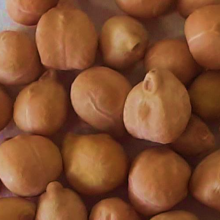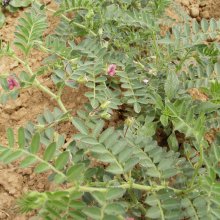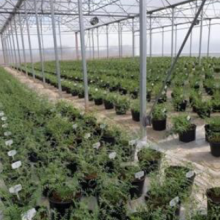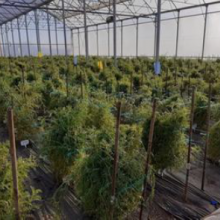




The INCREASE project has significantly advanced the understanding and use of chickpea genetic diversity by developing large, well-characterised collections and combining field experiments with cutting-edge genomic tools.
Building a strong genetic resource base
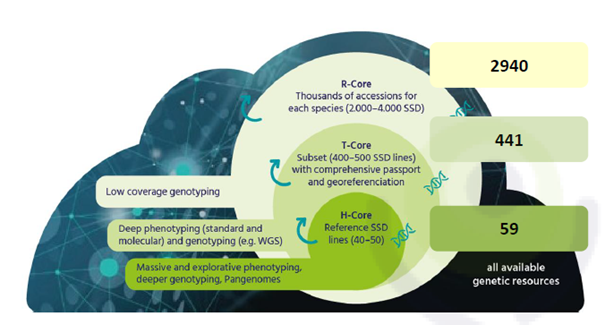
A large and diverse chickpea collection was assembled, including over 19,000 accessions and more than 2,600 genetically purified lines (SSD lines). From these, a smaller T-CORE subset (~400 lines) was selected for detailed study.
These “intelligent collections” allow researchers to connect genetic information with real plant performance.
From seeds to stable lines
Through several cycles of controlled seed multiplication, researchers developed genetically stable chickpea lines. This process ensured:
- High-quality, uniform material for experiments
- Sufficient seed quantities for research and breeding In total, thousands of seed samples were produced, stored and duplicated in genebanks for long-term conservation.
Testing performance in real conditions
Chickpea lines were evaluated in multi-location field trials across different countries, exposing them to diverse climates and stresses such as drought and diseases. These trials:
- Identified resilient and well-performing lines
- Generated valuable data on flowering time, yield, and adaptation
Understanding traits and variability
A wide range of plant characteristics was measured using standardised protocols, including:
- Growth, flowering, and maturity
- Seed size, number, and yield
- Resistance to environmental and biological stresses
Results showed:
- High variability in yield-related traits, offering strong breeding potential
- Clear links between traits (e.g. seed number and yield)
Combining genomics and phenotyping
The project integrated advanced tools such as:
- Whole-genome sequencing
- Metabolomics (chemical profiling of seeds and leaves)
- RNA sequencing These data were used for genome-wide association studies (GWAS) to identify genes linked to important traits like yield and stress tolerance.
Targeted studies for resilience
Specific experiments focused on:
- Drought tolerance
- Interaction with beneficial soil bacteria (rhizobia) These studies help identify traits and genes that can improve crop performance under challenging conditions.
Supporting breeders and stakeholders
The chickpea collections are already being used by:
- Research institutes and universities
- Breeding programmes
- Private companies Hundreds of lines have been distributed for testing traits such as root development, cold tolerance, and yield performance.
Ensuring long-term impact
All data and materials are carefully managed and shared:
- Digital identifiers (DOIs) assigned to over 2,300 lines
- Thousands of seed images and datasets available in databases
- Seeds safely conserved in multiple genebanks
Why it matters
Chickpea is a key global crop, but its genetic diversity has narrowed over time. The INCREASE project provides:
- A rich, accessible genetic resource
- Tools to accelerate breeding
- New opportunities to develop climate-resilient varieties
These results lay the foundation for more sustainable chickpea production in Europe and beyond.