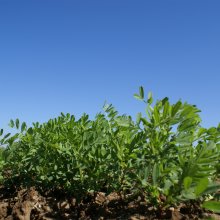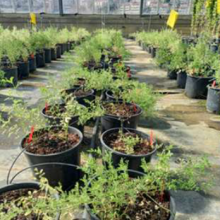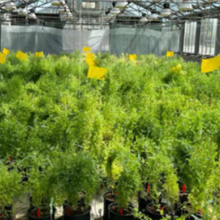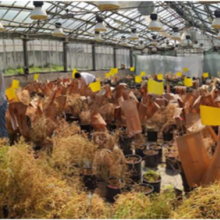


The INCREASE project developed a comprehensive framework for the characterisation, conservation and exploitation of lentil genetic resources, centred around the creation and analysis of Intelligent CORE Collections.
Development of Intelligent Collections
- Two main collections were established:
R-CORE: 3,556 accessions representing broad genetic diversity
T-CORE: 450 accessions selected for detailed study - These collections integrate genomic, phenotypic, and metabolomic data, forming the basis for advanced research and breeding.
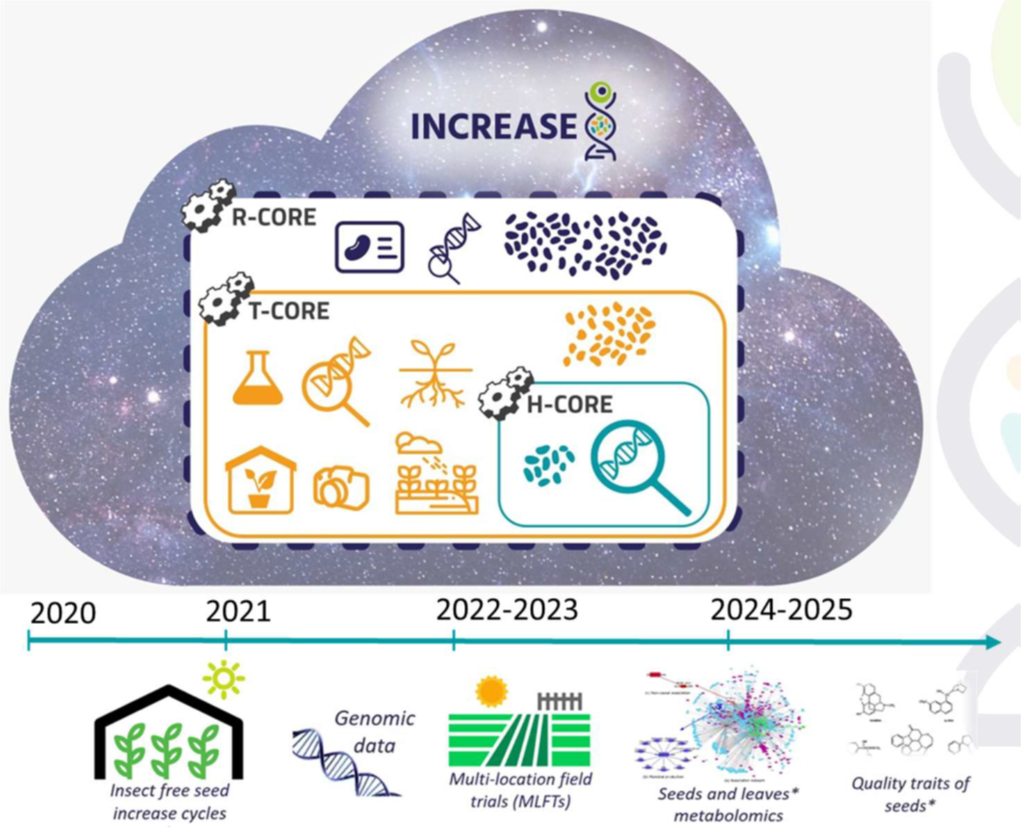
Genetic Purification and Seed Multiplication
- Large-scale development of genetically purified SSD (Single Seed Descent) lines: Over 3,000 accessions multiplied, with extensive seed production efforts
- More than 6,200 pots were used in controlled experiments for line development.
- Seed increase campaigns ensured availability of material for downstream analyses and stakeholders.
Phenotyping and Field Trials
- Extensive phenotypic characterisation: Data collected for 29 traits under both controlled and field conditions
- 7 multi-location field trials (MLFTs) across different countries: Evaluation of traits such as phenology, yield components, disease symptoms and seed characteristics
- Strong environmental effects were observed for key traits like flowering time and maturity (as shown in ANOVA results on page 12).
Advanced Genomic and Molecular Analyses
- Genotyping of 891 samples (450 T-CORE + 441 R-CORE) using advanced methods (e.g. CRISPR-Cas9-based depletion)
- Development of pangenome resources (3 high-quality genome assemblies)
- Integration of:
Metabolomics data (leaves and seeds from multiple environments)
RNA-seq data (350 samples)
Genome-wide association (GWA) analyses
Functional and Interaction Studies
- Investigation of plant–rhizobia interactions on selected T-CORE lines
- Additional studies on: Root architecture, Drought tolerance, Resistance to parasitic weeds (e.g. Orobanche)
Stakeholder Engagement and Use Cases
- Active involvement of stakeholders through field evaluations and breeding activities as well as collaboration with projects (e.g. Legume Generation, Root2Res)
- Selected lines are being multiplied and tested further and also used to develop new breeding populations
Long-Term Impact
The INCREASE common bean results will continue to benefit:
- Genebanks through SSD material conservation
- Breeders for selection and variety development
- Collaborative networks enabling data and material sharing
The INCREASE research on lentil delivered a highly integrated genetic resource platform, combining large-scale collections, advanced molecular data and multi-environment phenotyping. This provides a robust foundation for future breeding, research and sustainable use of lentil diversity in European agri-food systems.