


Citizen Science Experiment
The INCREASE Citizen Science Experiment (CSE) is one of the largest citizen science initiatives ever carried out in the field of plant genetic resources and agrobiodiversity.
Over six years, thousands of citizens across Europe helped grow, observe and study common bean varieties, actively contributing to scientific research and conservation.
- A Unique Scientific Experiment in People’s Gardens
Participants received a small set of bean varieties (five different lines plus one common control variety) and grew them in their own gardens, school gardens or balconies. These varieties come from international genebanks and are genetically characterised. All lines were analysed using modern genotyping methods, and part of them were even fully sequenced.
Through the specially developed CSE mobile app, participants could:
- Record plant traits (such as flowering time and other characteristics)
- Upload photos using a colour reference card to ensure high-quality images
- Enter sowing information
- Exchange seeds with other participants
- Accept the Standard Material Transfer Agreement (SMTA) digitally
From the second round onwards, participants could choose their experience level (basic, medium or expert), allowing them to contribute according to their skills.
- Impressive Participation Across Europe
The response from the public was extraordinary with more than 27,000 participants over 6 years:
- In 2021 and 2022 over 7,000 citizens registered for the project.
- In 2023, more than 9,000 citizens registered to take part, our record round!
- In 2024, participation was therefore limited to 5,000 – and this limit was reached.
- In the following year, almost 5,000 new participants joined again, alongside many returning participants.
- The final round in 2026 runs beyond the end of the project.
Across five rounds, Italy recorded more than 8,600 participants, followed by Germany, France, Spain, Belgium, Poland and other countries. Importantly, participation extended well beyond the official project consortium countries thanks to strong outreach networks and supporting organisations.
Schools played a particularly important role:
- 694 schools have participated so far.
Assuming 20 students per class on average, an incredible number of at least 13,880 students were introduced to beans. This significantly helped raise awareness among younger generations about plant genetic resources, biodiversity and sustainable agriculture.
In addition, private multilingual Facebook groups brought together more than 5,400 members. These groups created a strong community where participants shared experiences, photos, advice and even answered each other’s questions.
- A New Model: Decentralised Conservation
One of the most important achievements of the INCREASE CSE is the creation of a Decentralised Conservation Community (DCC).
Participants did not only grow beans for one season. Many continued in several rounds. Through the app, they could exchange seeds with each other under clear legal conditions (SMTA). Every seed movement is traceable thanks to the DOI system.
This approach shows that plant genetic resources can be conserved not only in genebanks, but also safely and responsibly in citizens’ gardens across Europe. The system ensures:
- Full traceability of plant material
- Legal compliance
- Clear documentation
- Community-based conservation
The seed exchange system is actively used. For example, more than 340 exchanges took place in the most recent round and is still ongoing.
- Valuable Scientific Results
The experiment has generated a large and scientifically valuable dataset collected across many different environments.
So far, the data have been used for:
- Genome-wide association studies (GWAS), for example on flowering time
- Image-based trait analysis
- Further trait exploration currently being prepared for publication
The results clearly demonstrate that well-structured citizen science can produce high-quality scientific data.
- Recognition and Impact
The Citizen Science Experiment became the most visible part of the INCREASE project for the general public. It received:
- Broad media coverage (TV and newspapers in several countries)
- The EU Prize for Citizen Science in 2024
Most importantly, it successfully increased public awareness about agrobiodiversity and the importance of conserving plant genetic resources.
- Looking Ahead
The INCREASE CSE has shown that decentralised conservation can complement traditional genebanks, support climate adaptation research and strengthen the connection between science and society.
To help ensure continuity beyond the project’s lifetime, the association Diversitas has been established. Discussions on future funding and continuation are ongoing, with the aim of keeping the decentralised conservation community active.
The INCREASE Citizen Science Experiment demonstrates that citizens are not just observers of science – they can actively shape the future of biodiversity conservation.
Impressions from five years of INCREASE Citizen Science Experiment
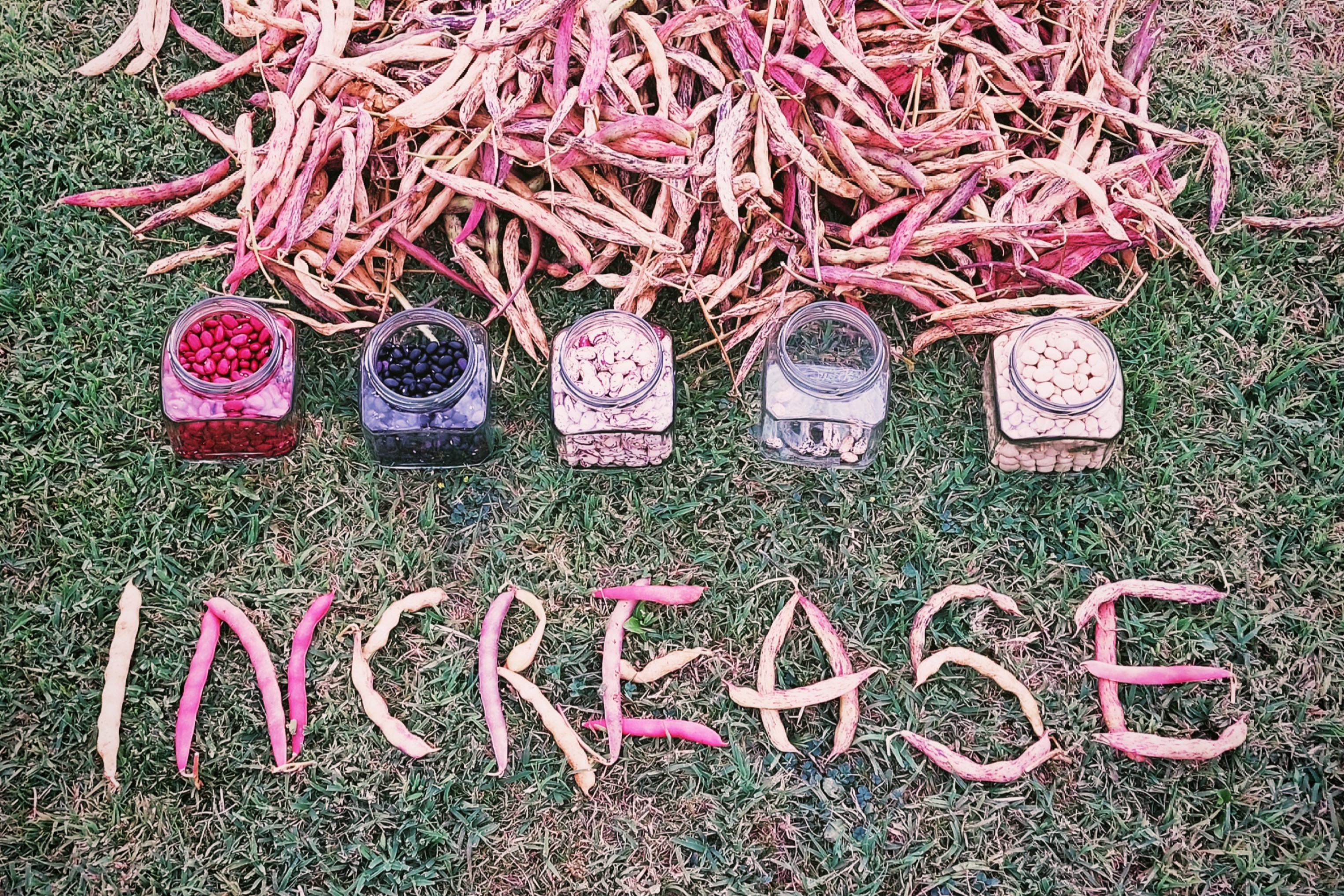
© Inmaculada Viño Rodriguez

Seed bags of all varieties for distribution ©INCREASE

Seed packing in Ancona ©INCREASE
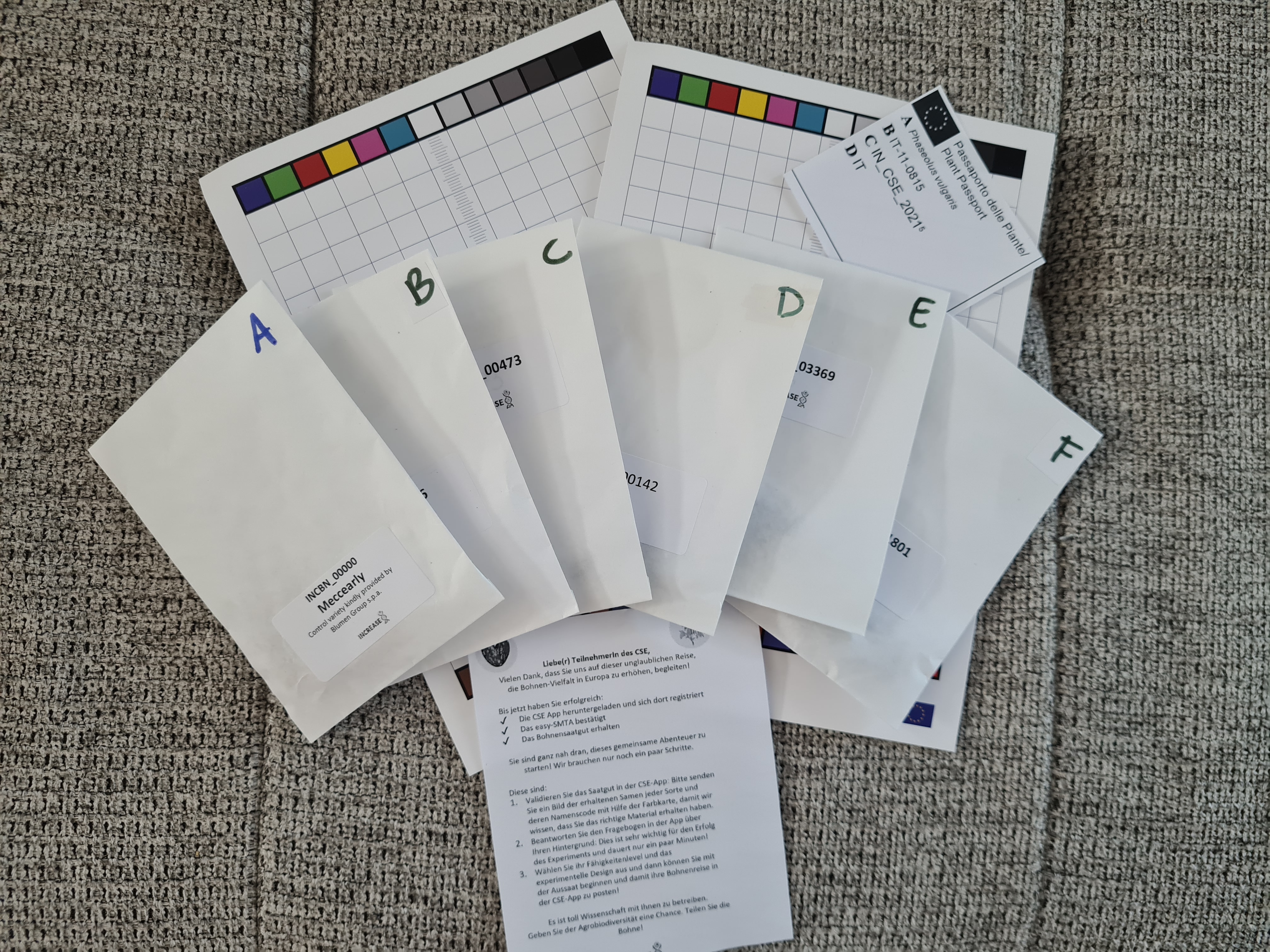
Individual seed package ©INCREASE
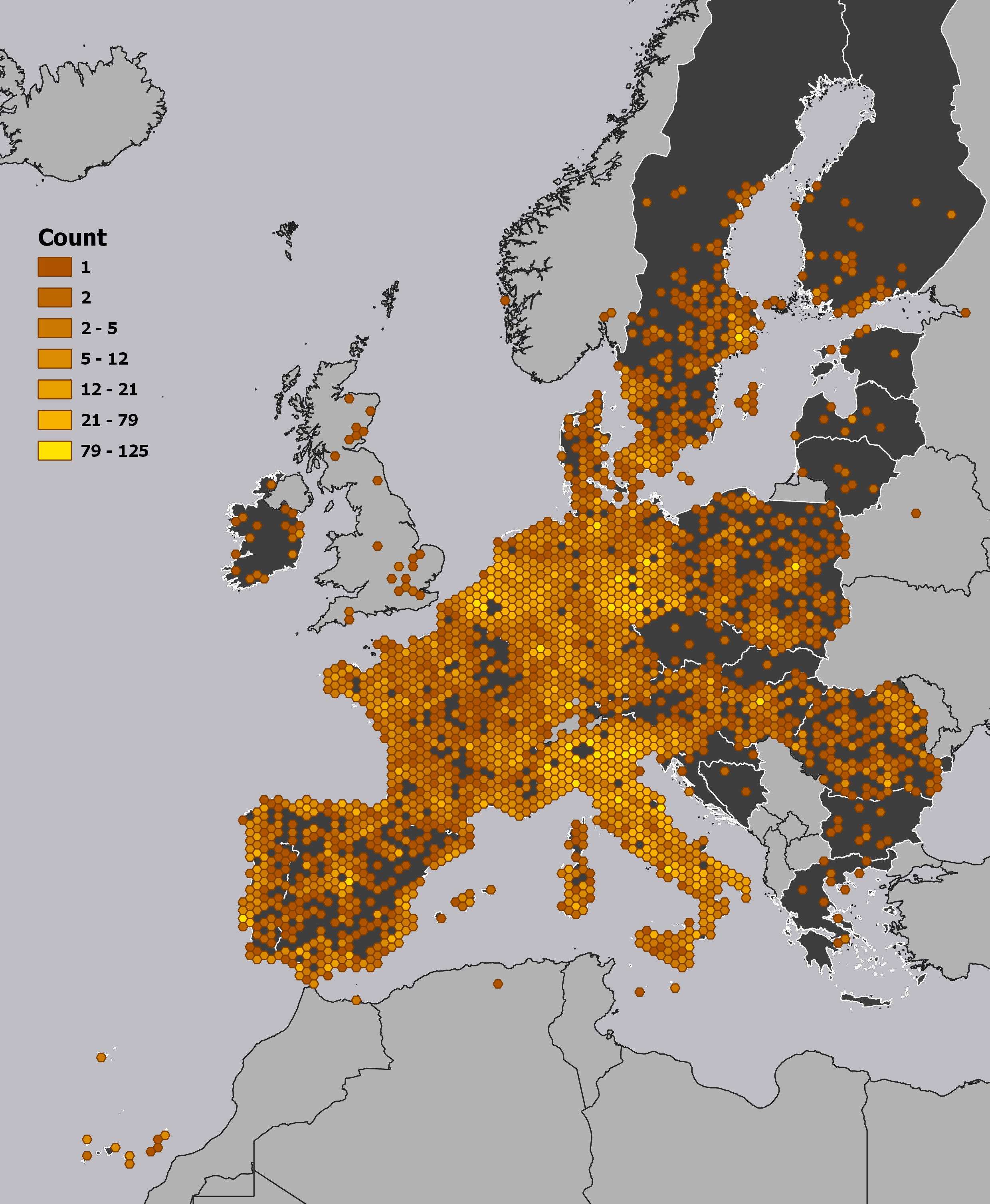
Participants during the past five years of the Citizen Science Experiment (2020-2025)
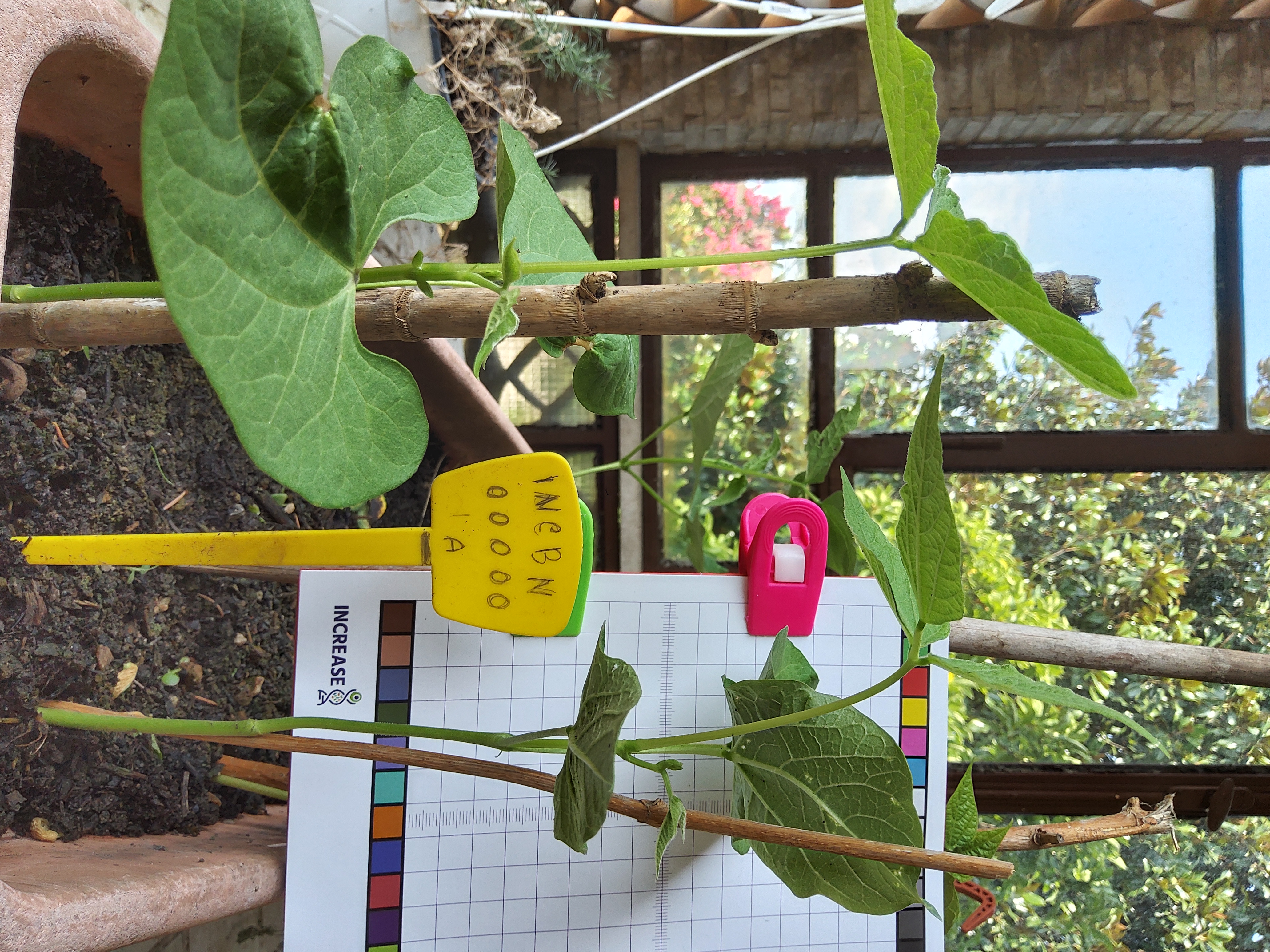
Bean plant of CSE control variety ©Rosalba Li Vigni
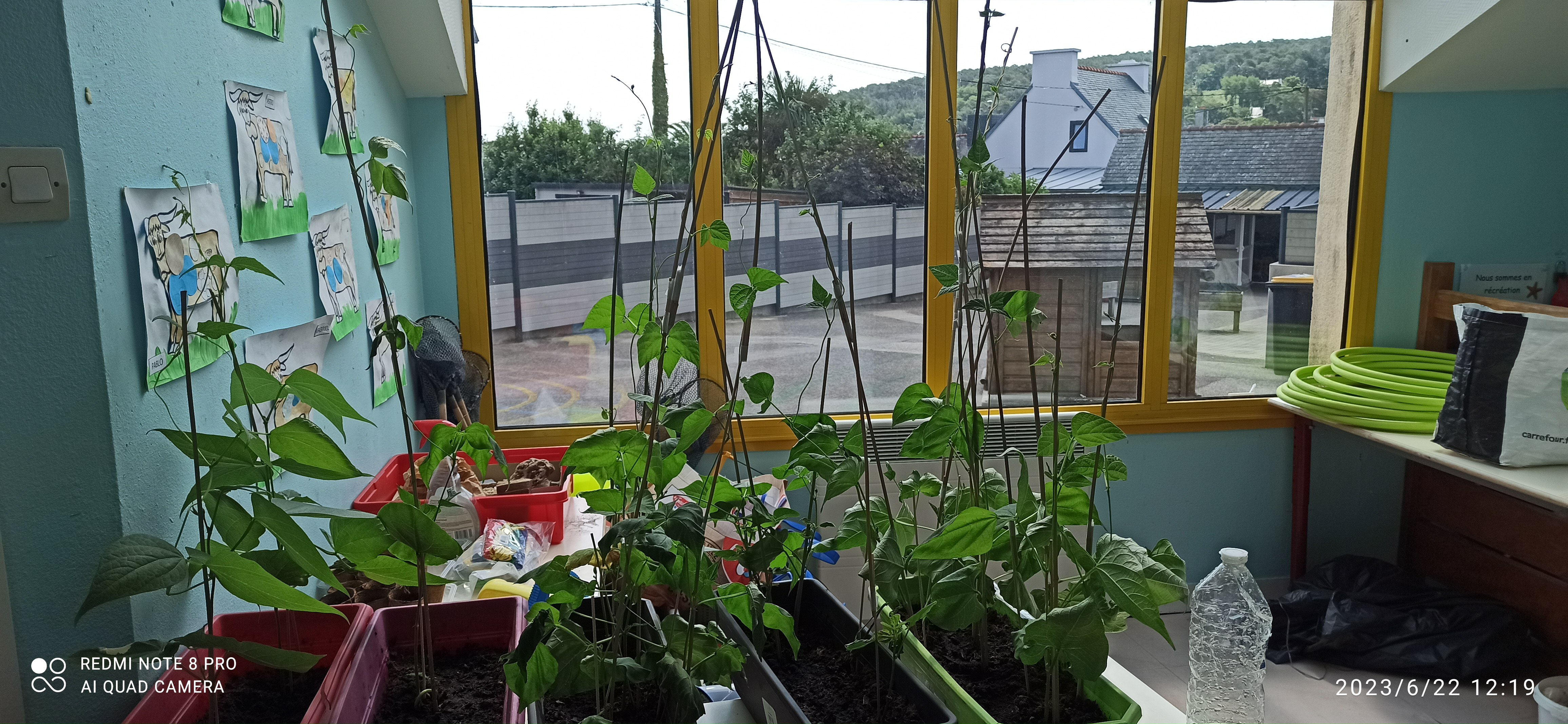
Bean plants ©École Morgat
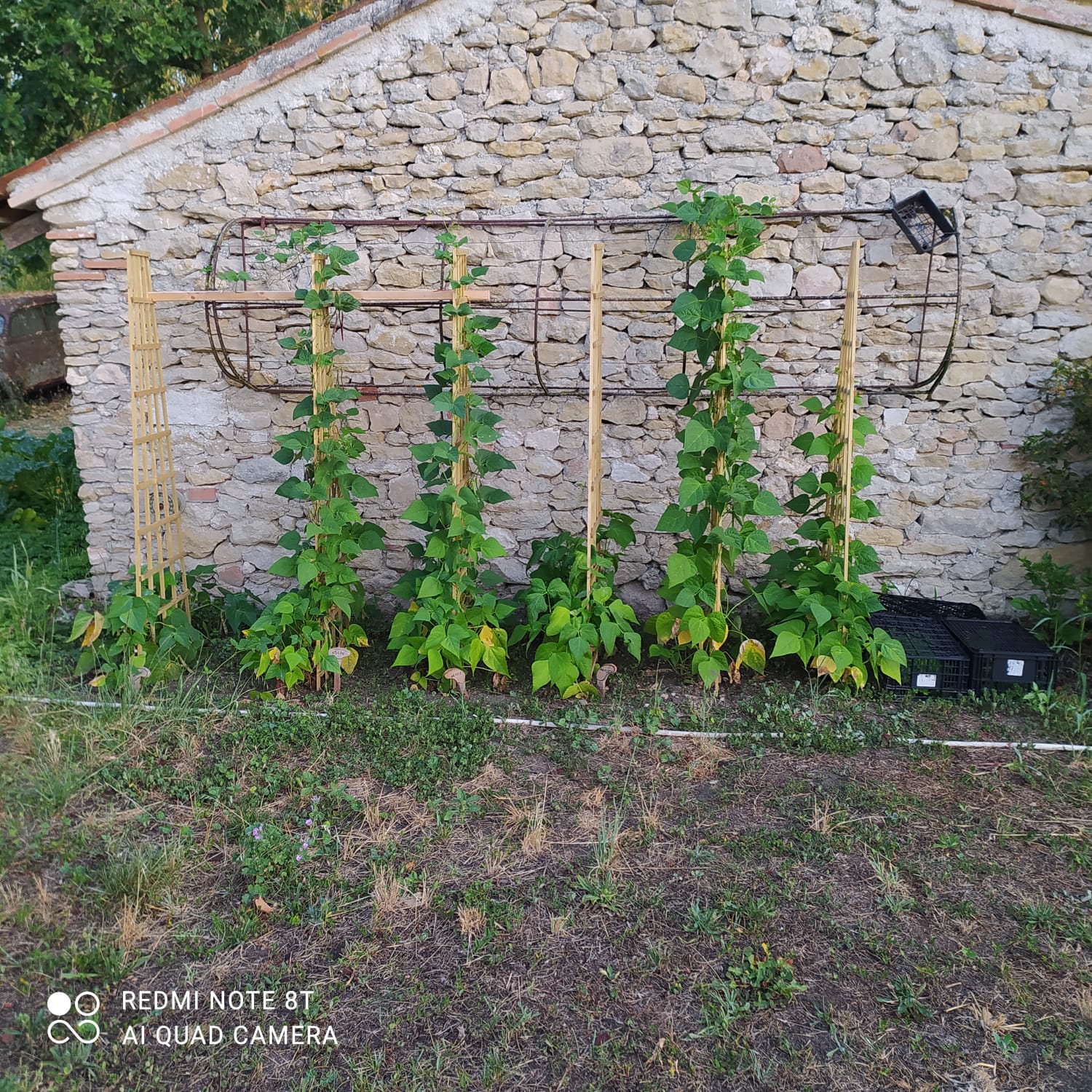
Bean plants ©Tatiana Giraud
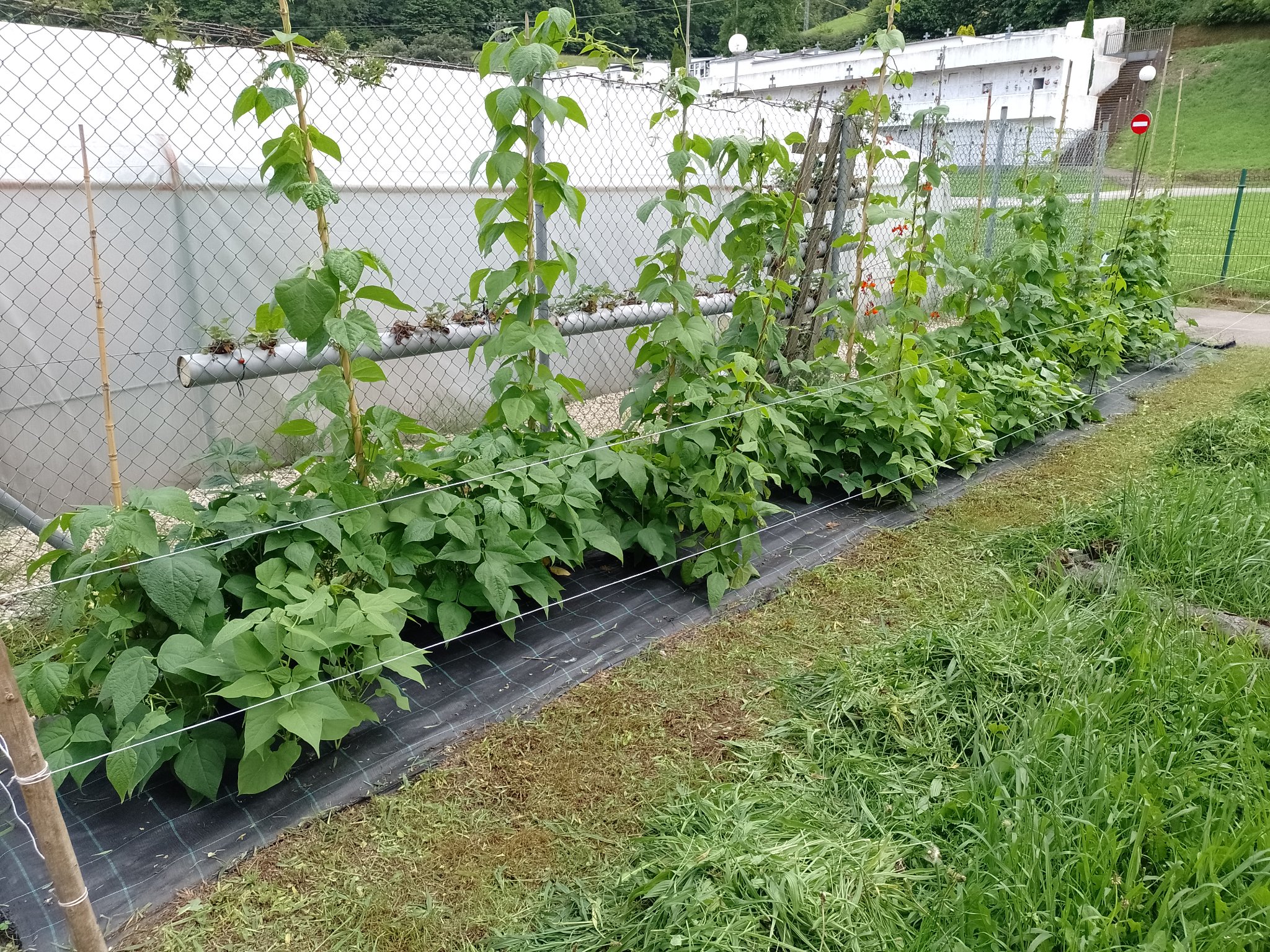
Bean plots in Spain ©INCREASE
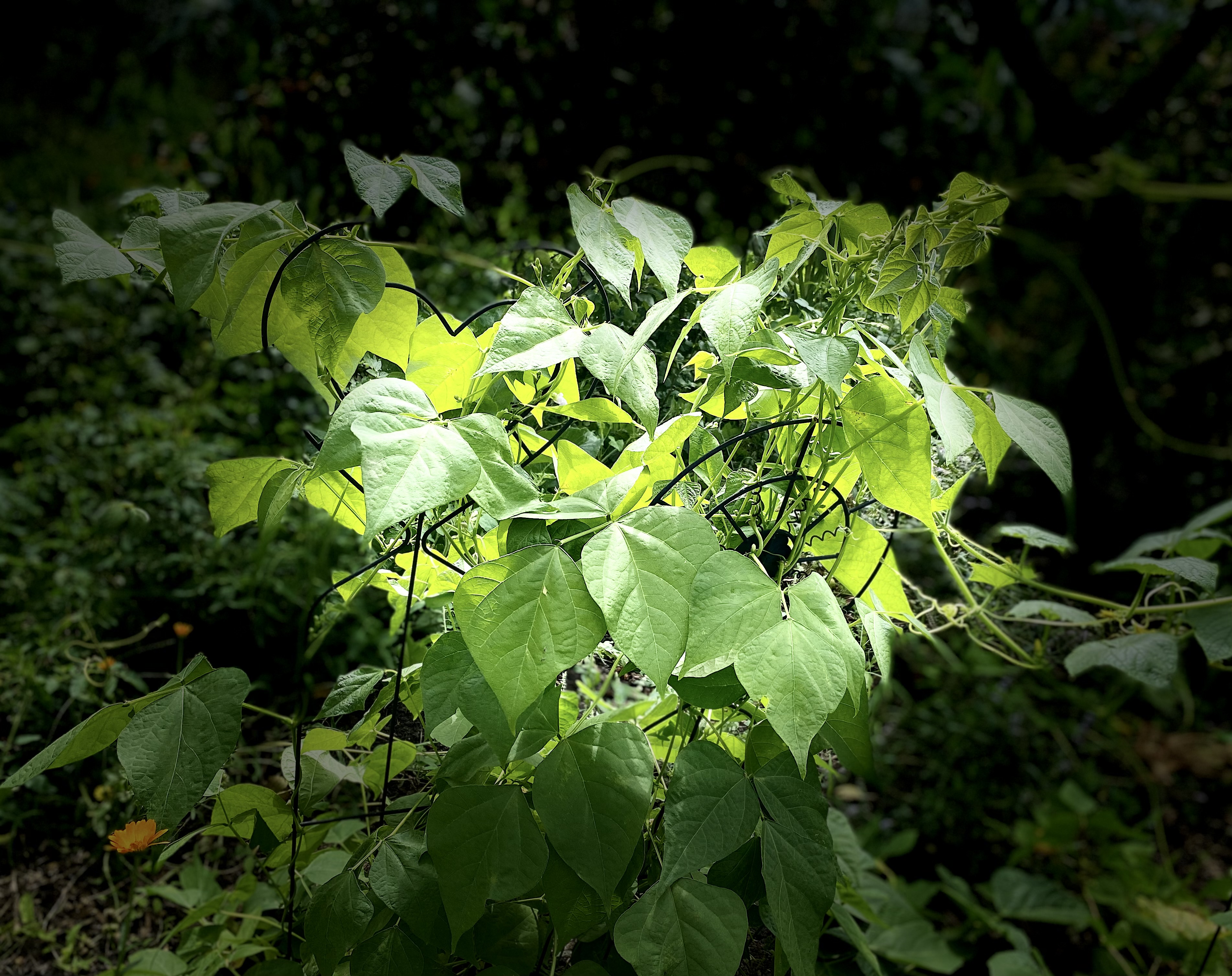
Bean plant ©Tana Ariesan
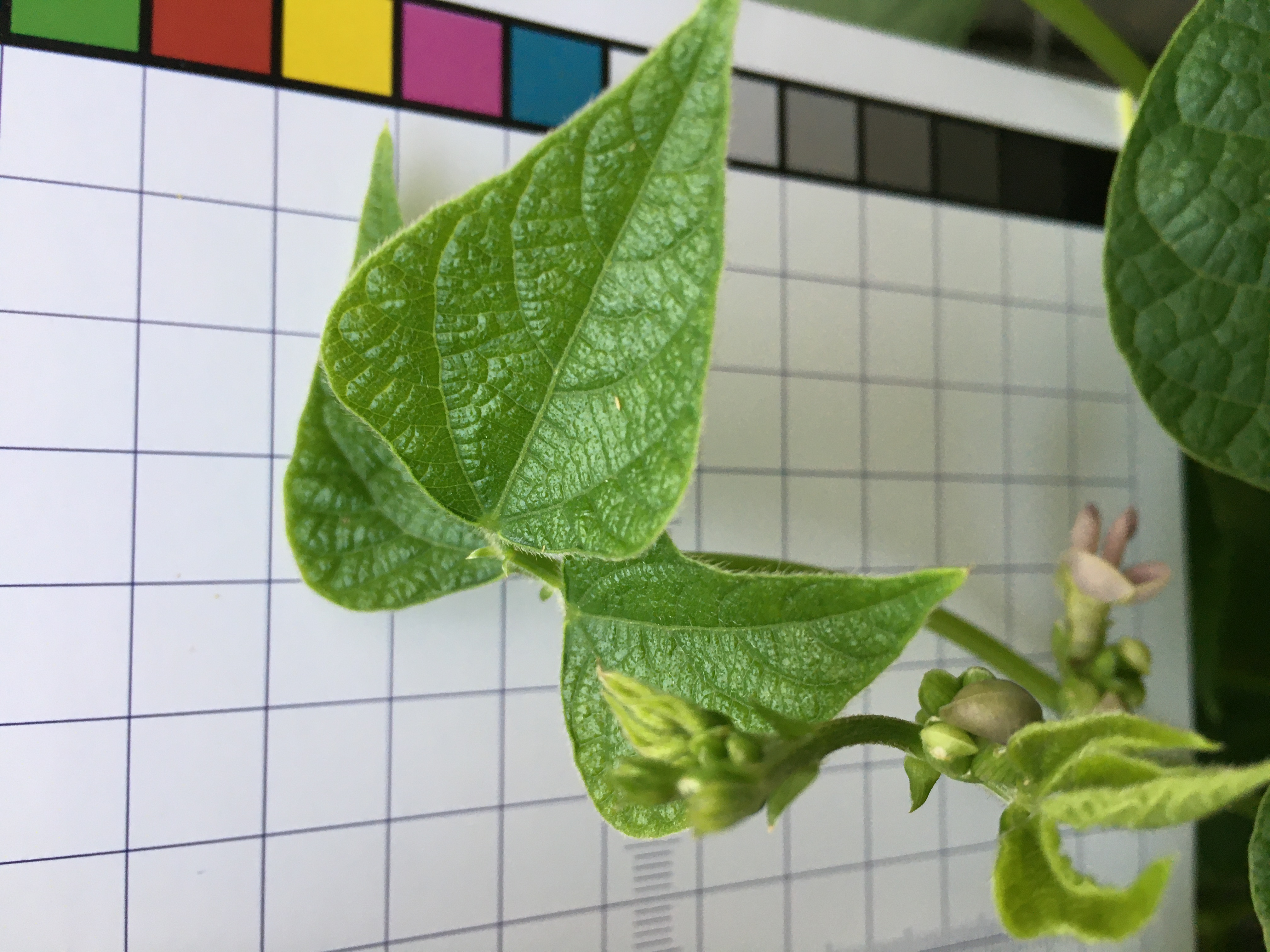
Colour checker with bean leaves ©Szilvia Eördögh
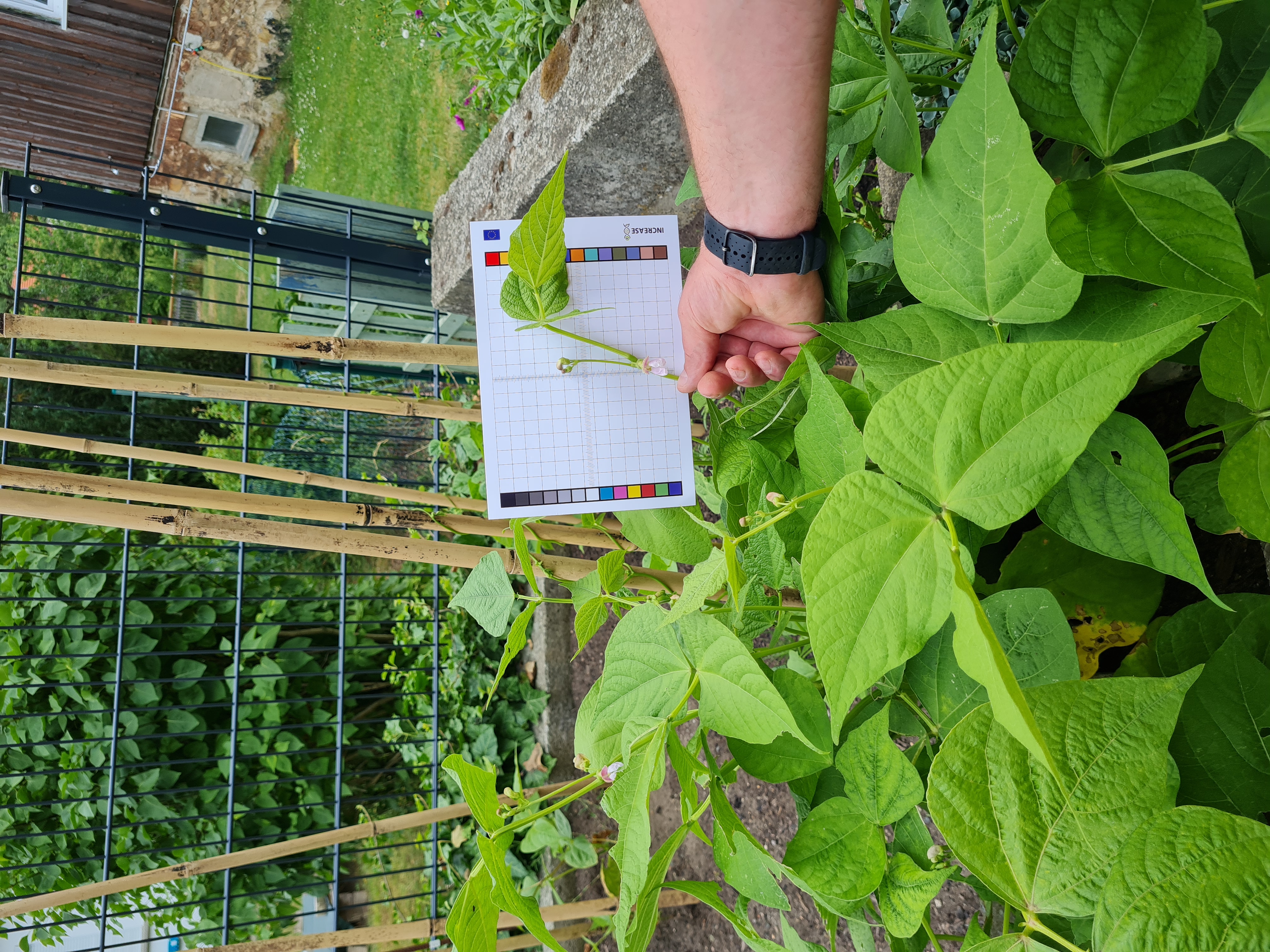
INCREASE colour checker with bean leaves and blossoms ©INCREASE
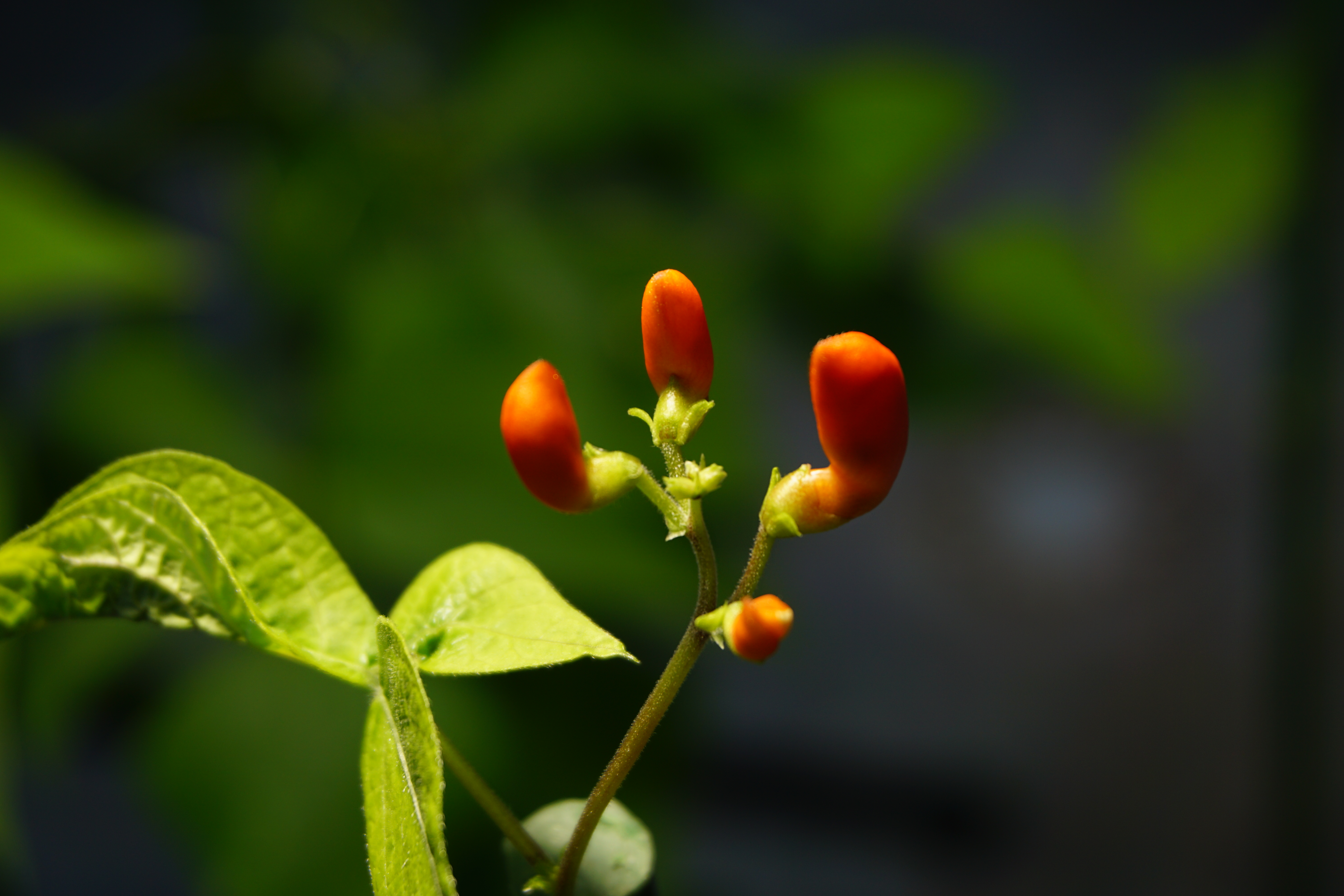
Runner bean blossoms from Slovakia ©INCREASE
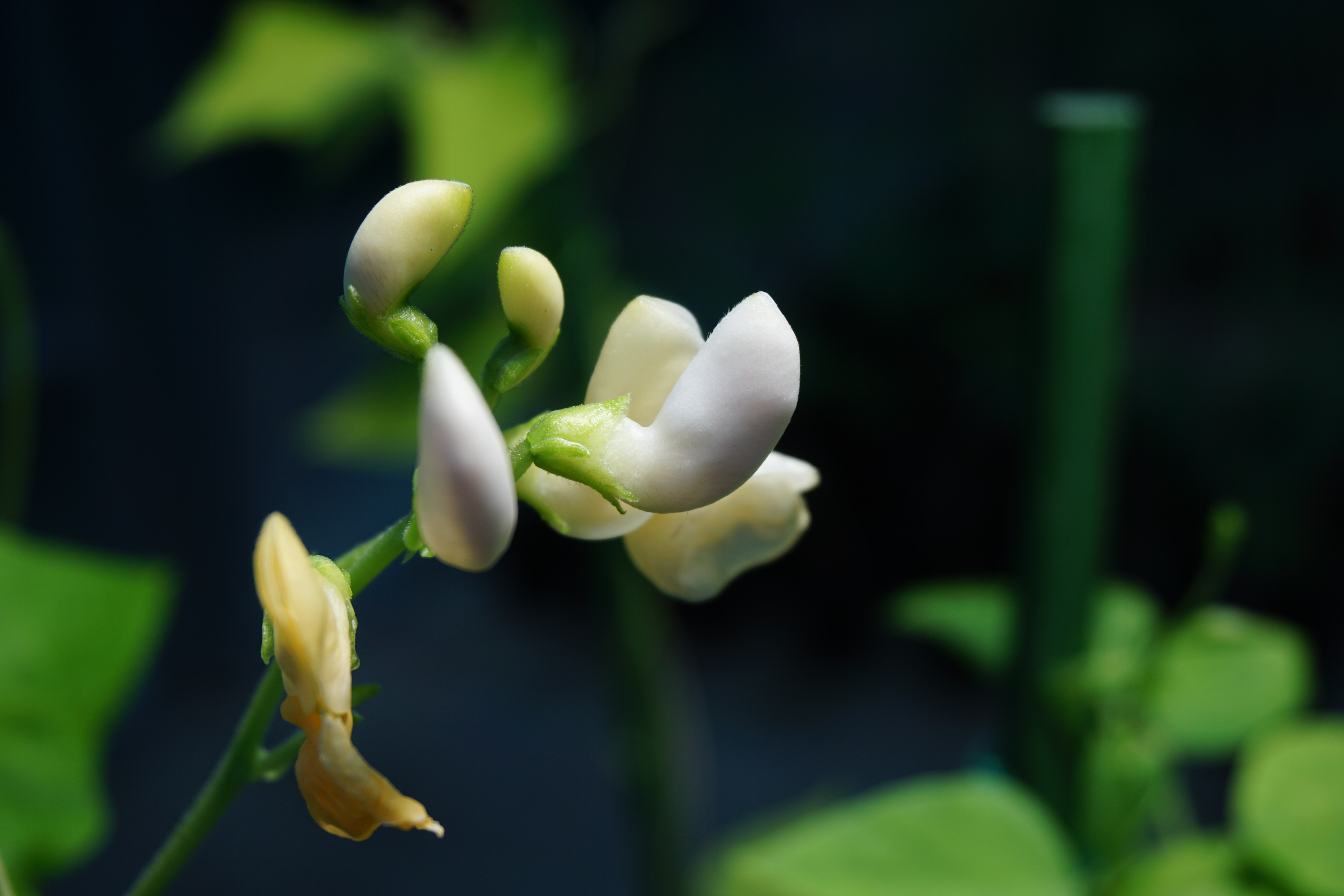
Runner bean blossoms from Italy ©INCREASE
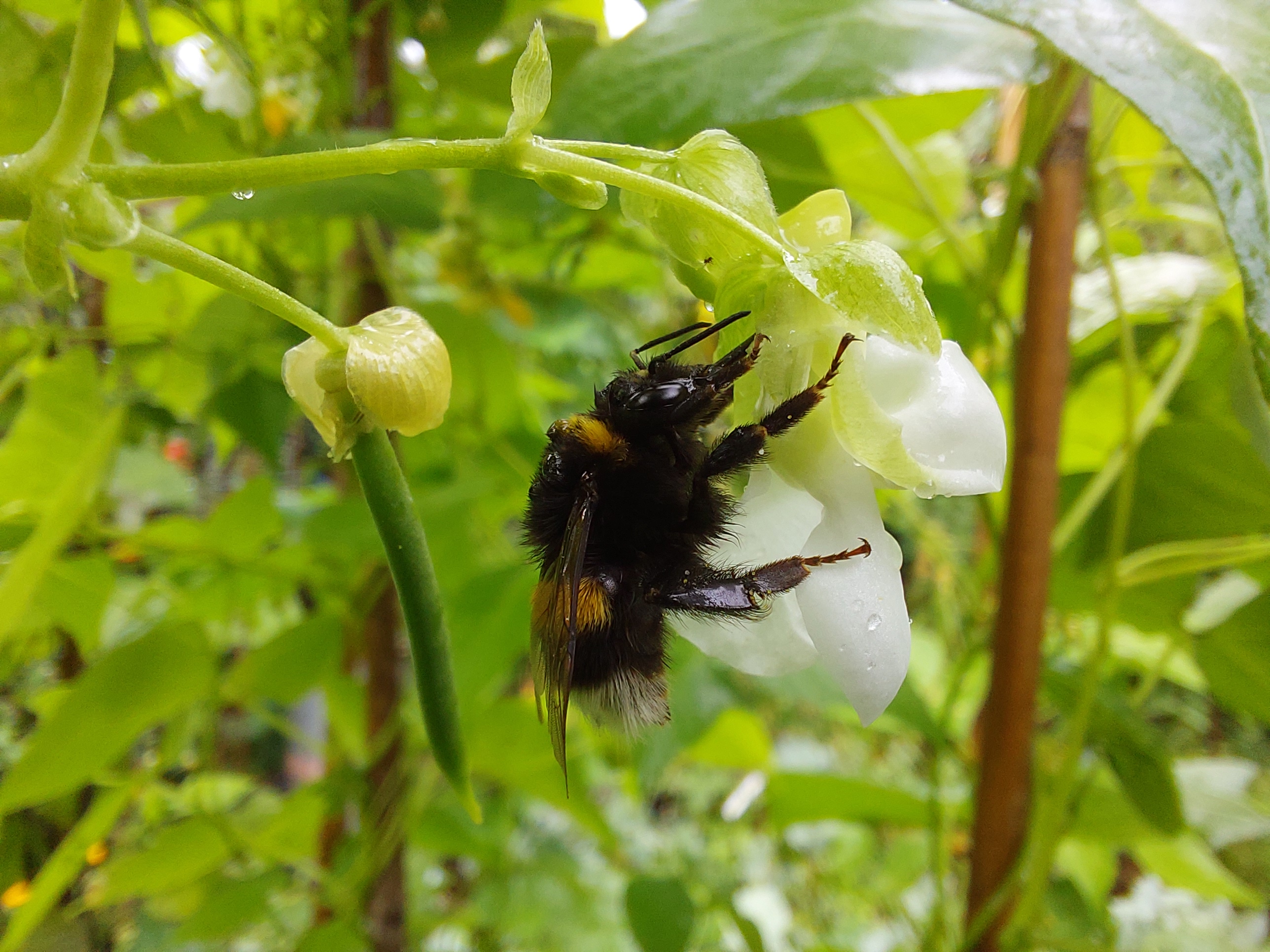
Bean blossoms ©Marcin Kisiel

Bean pods ©Andrea Leoni Zeman

Bean pods ©Léna Prochnow
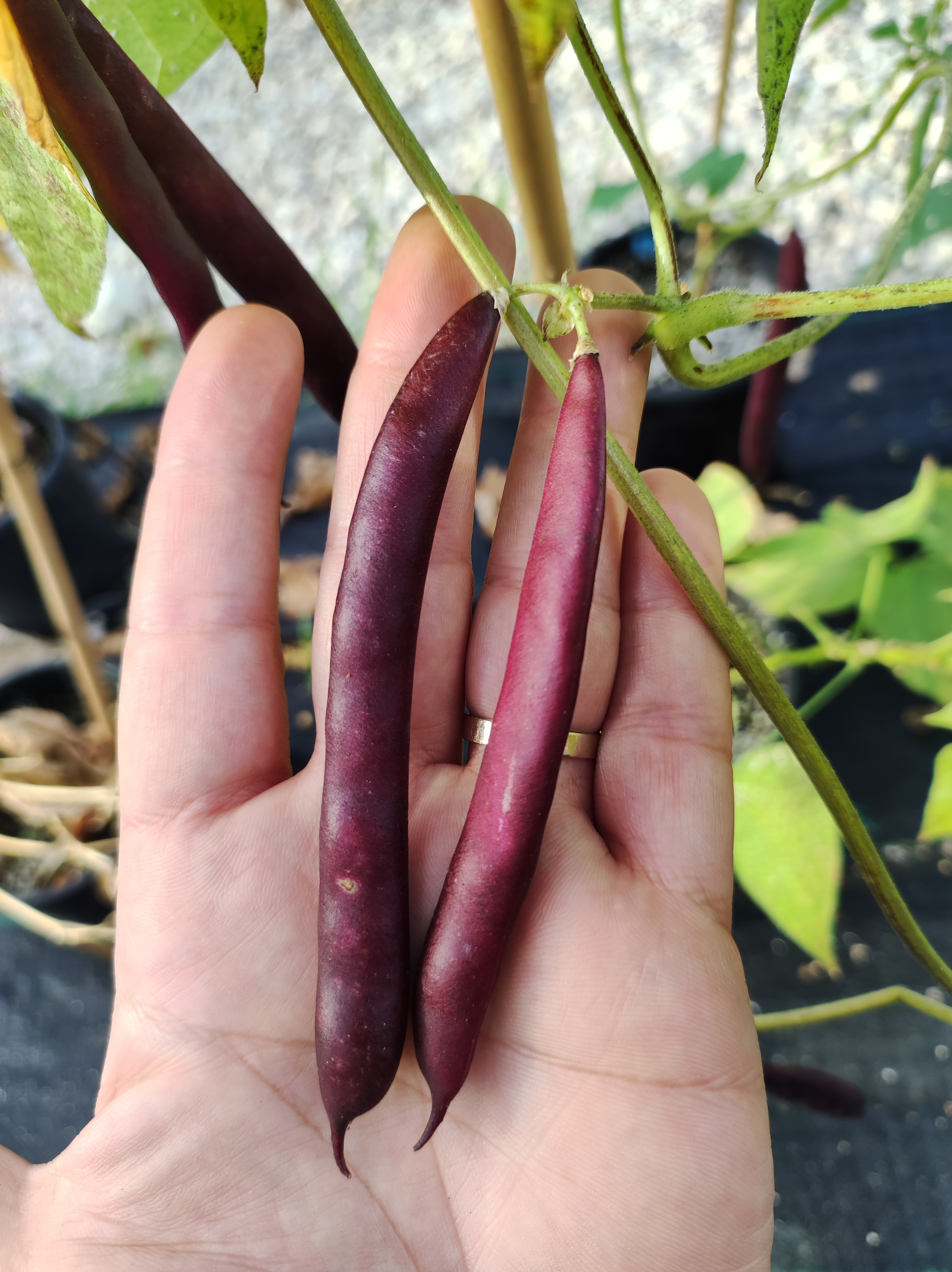
Bean pods ©INCREASE

Bean pods ©Tana Ariesan
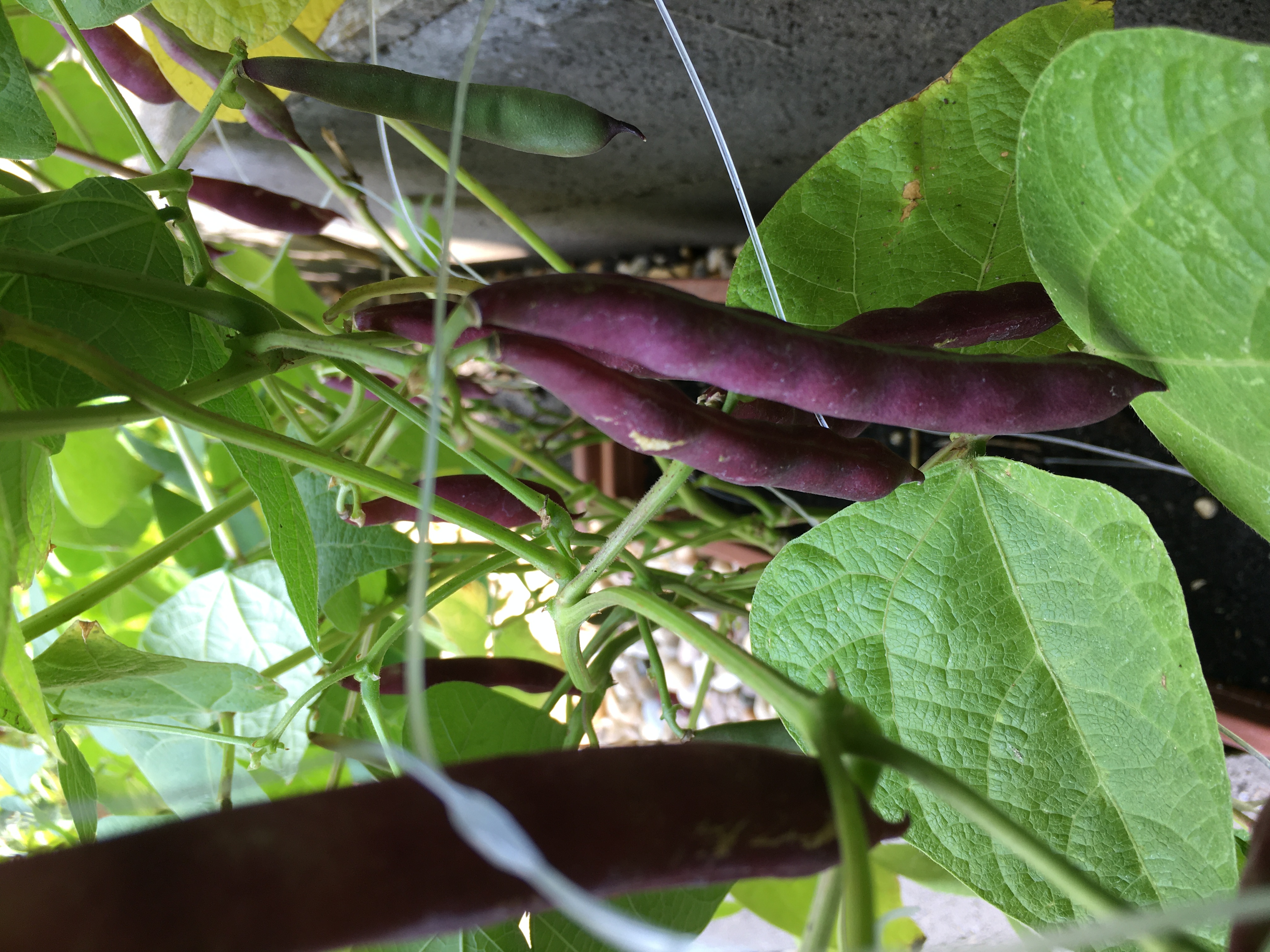
Bean pods ©Szilvia Eördögh
Bean pods ©Andrea Leoni Zeman
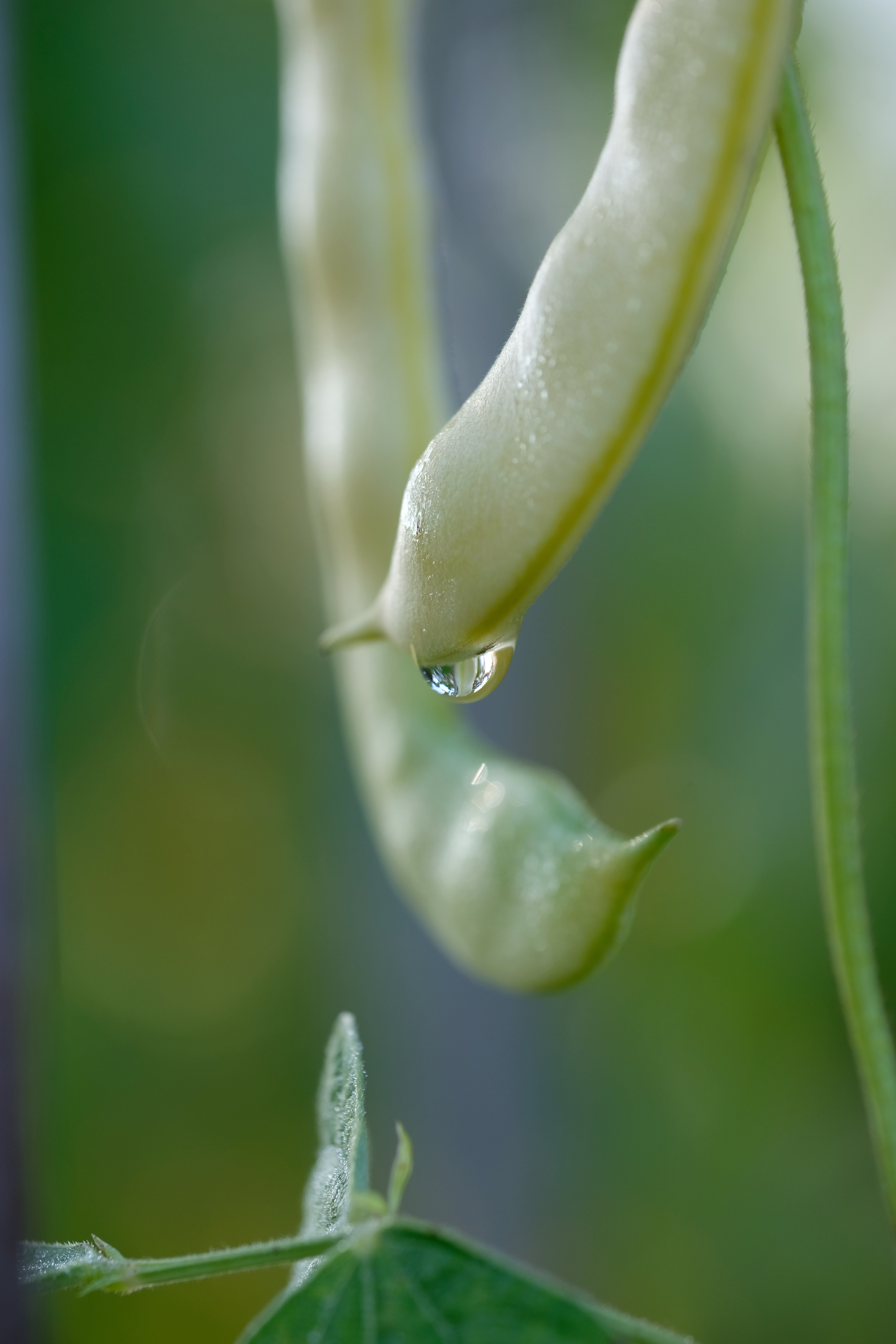
Bean pods ©Peter Pullman
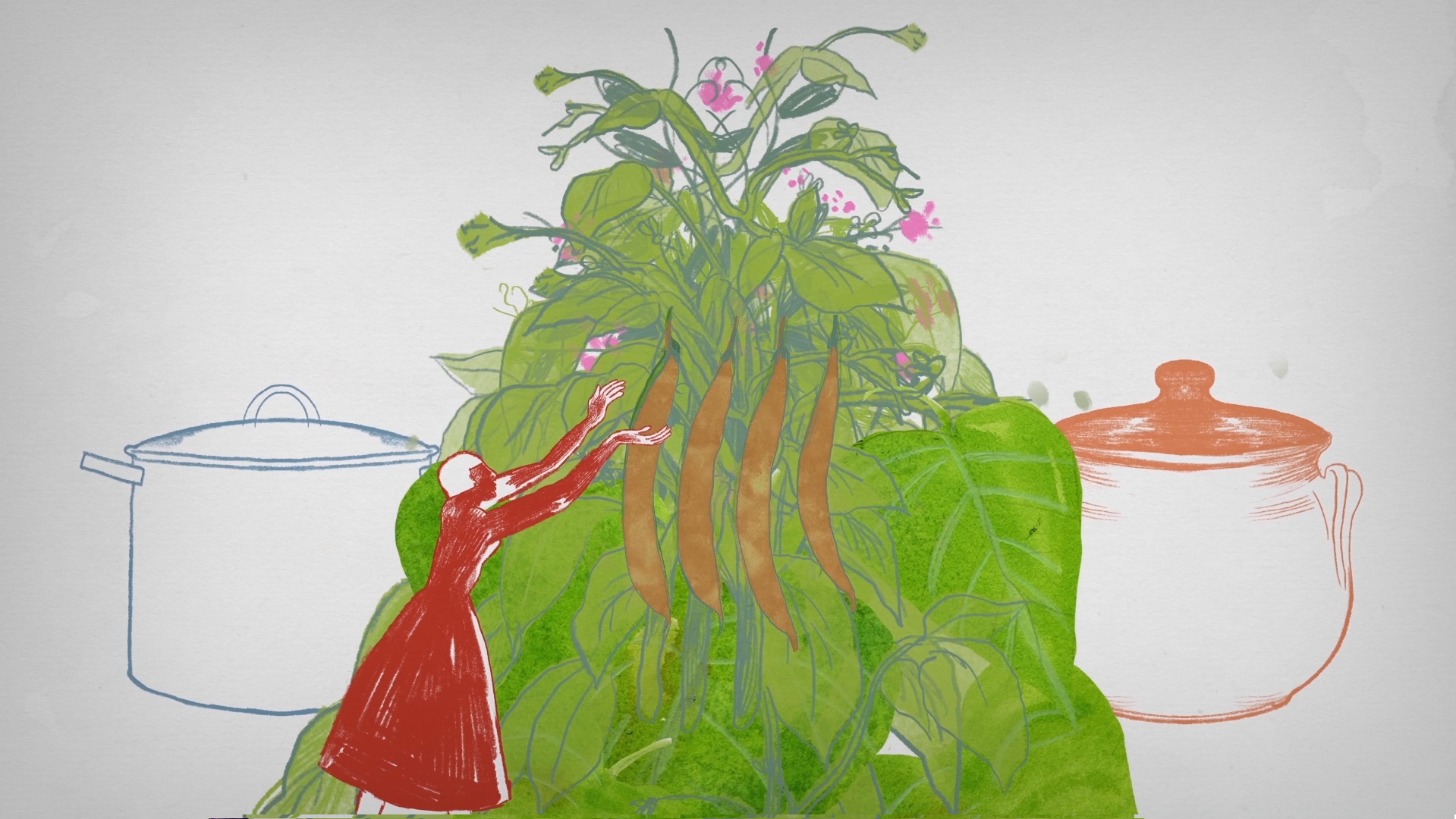
Bean harvest illustration ©Epica Film
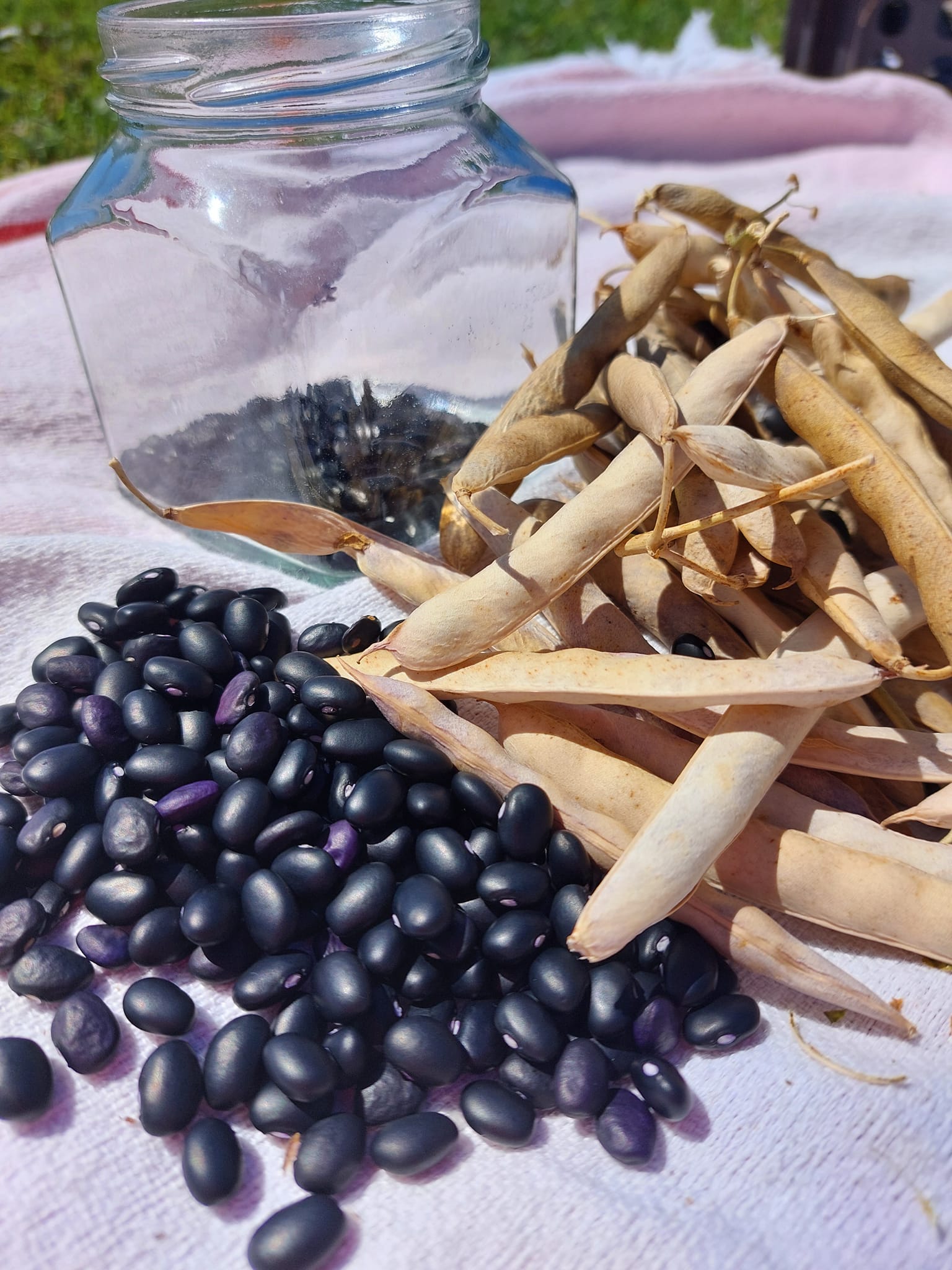
Bean harvest ©INCREASE
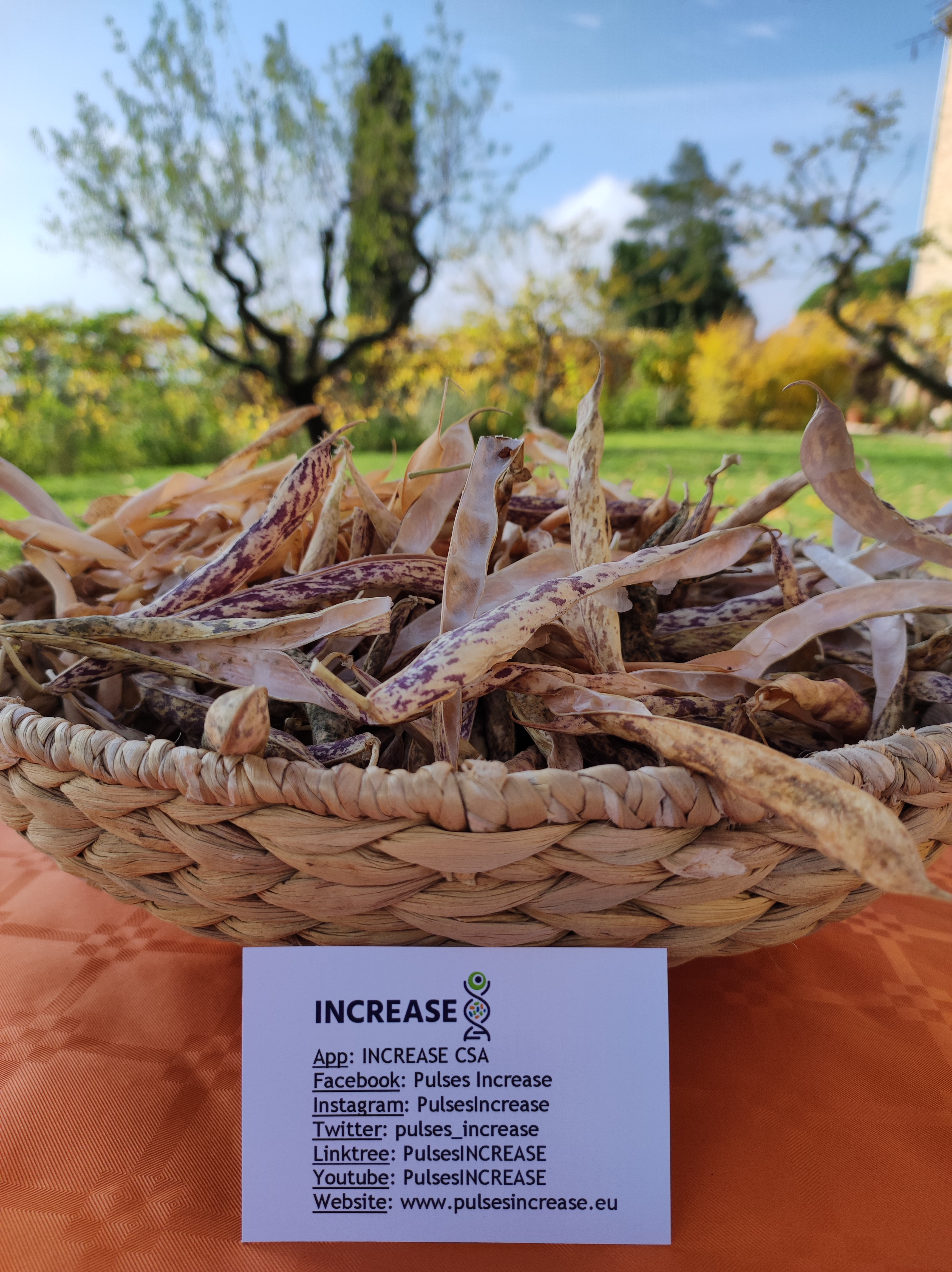
Dried bean husks ©INCREASE

Ripe and unripe bean pods ©INCREASE
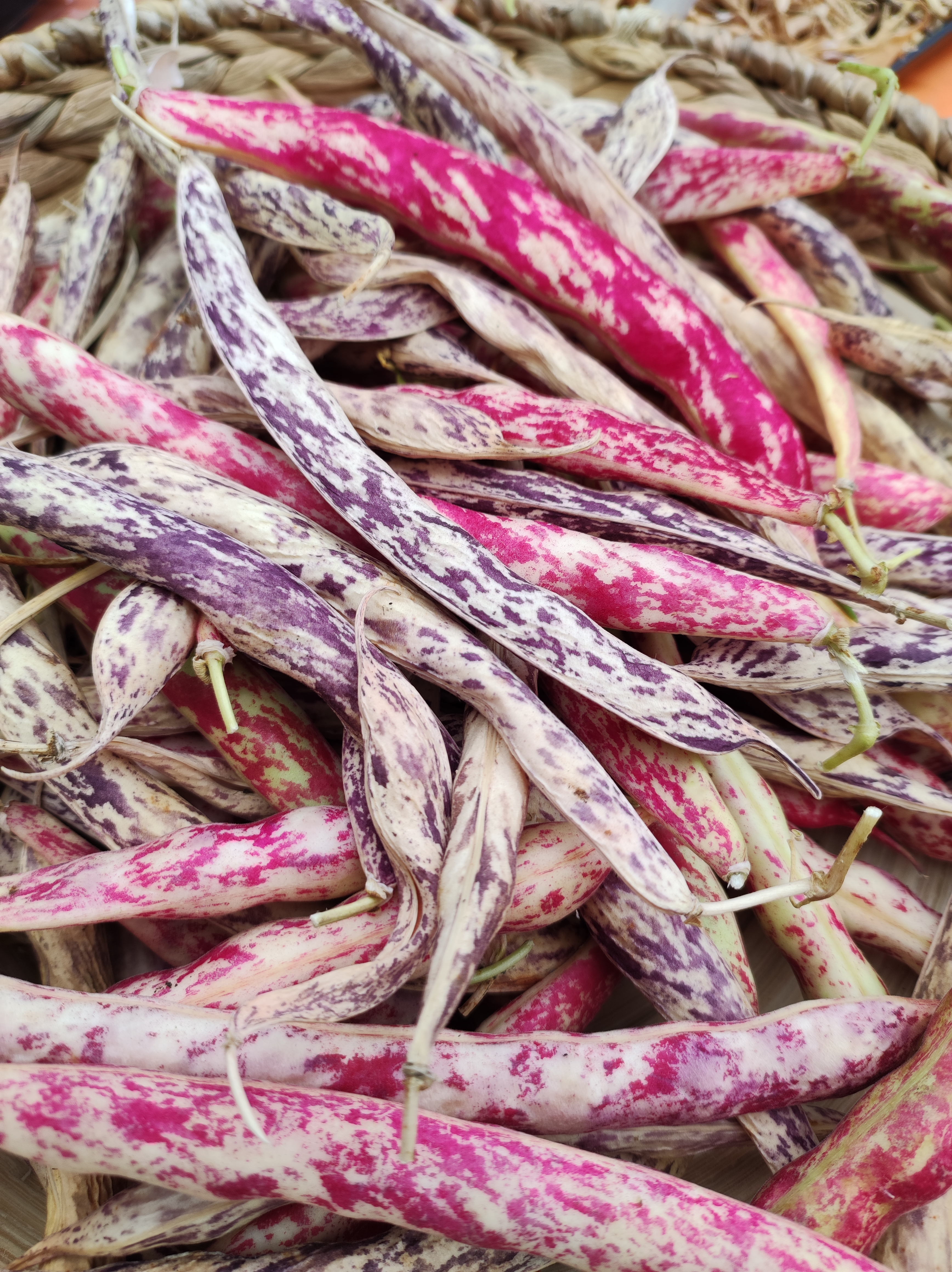
Harvested bean pods of the CSE control variety ©INCREASE

Opened bean pod on colour chart ©INCREASE

Ripe bean pods ©Peter Putteman
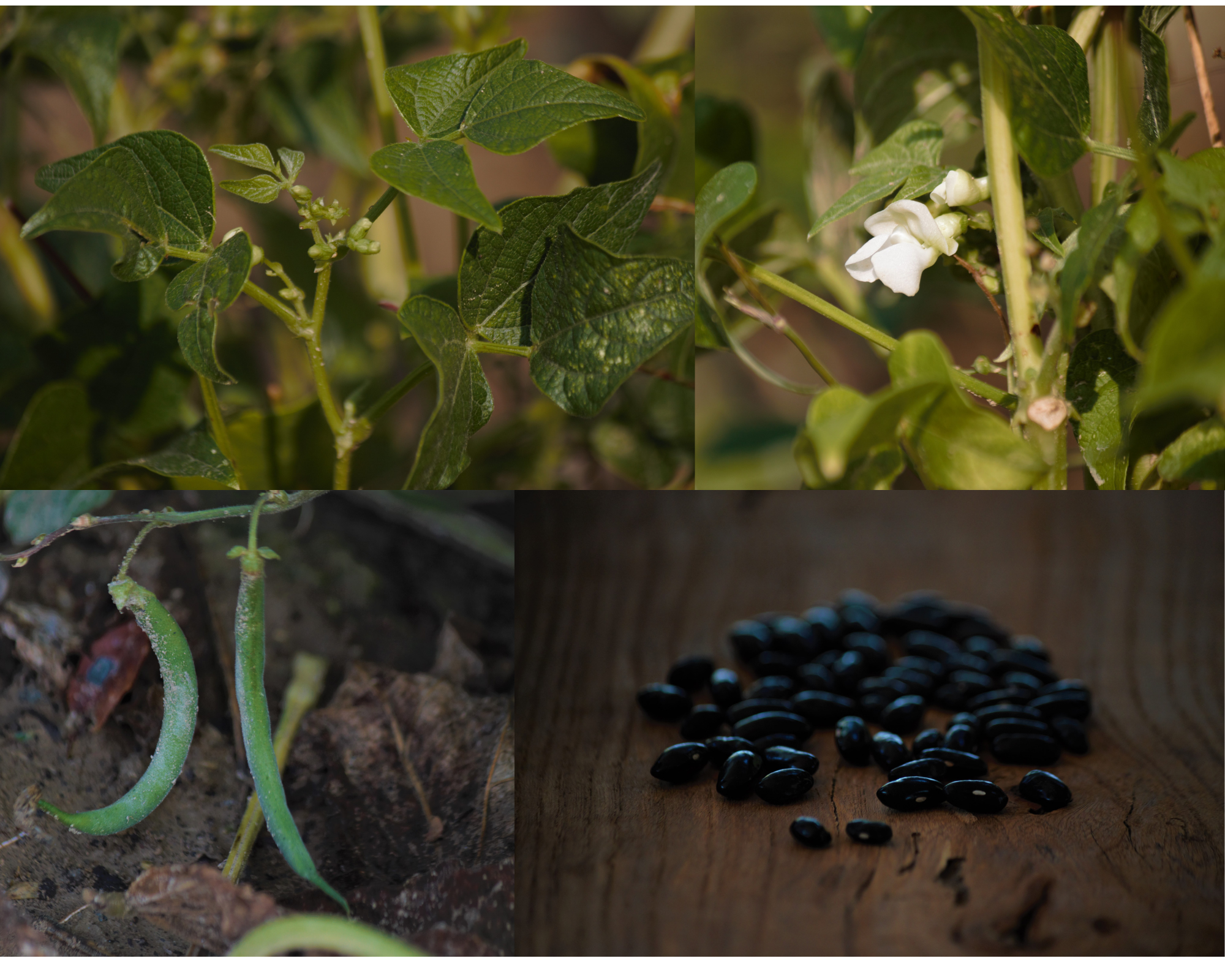
An INCREASE bean journey ©Caterina Boghi
.jpg)
Bean yield ©Catarina Carvalho
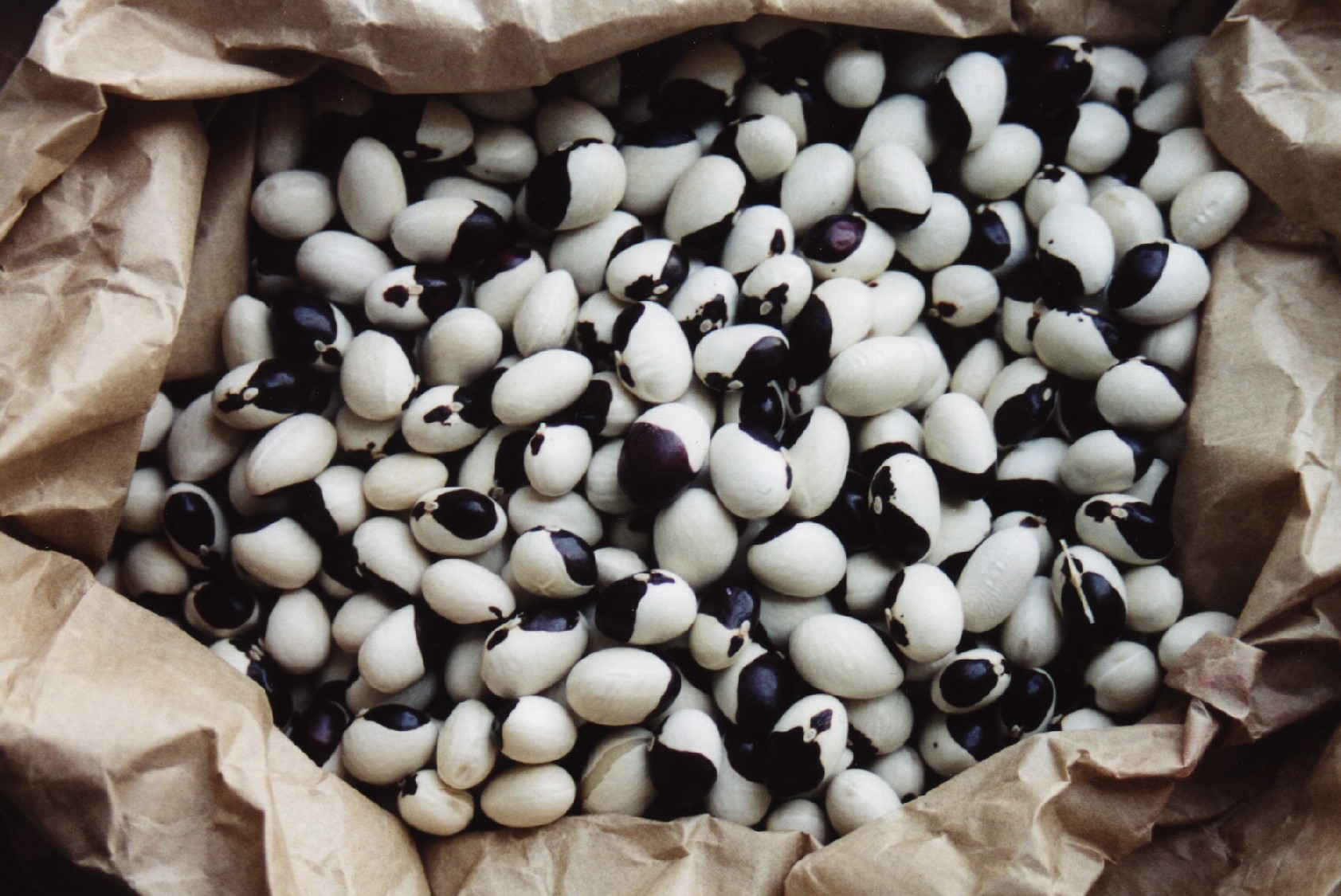
Beans of variety Monachello ©INCREASE
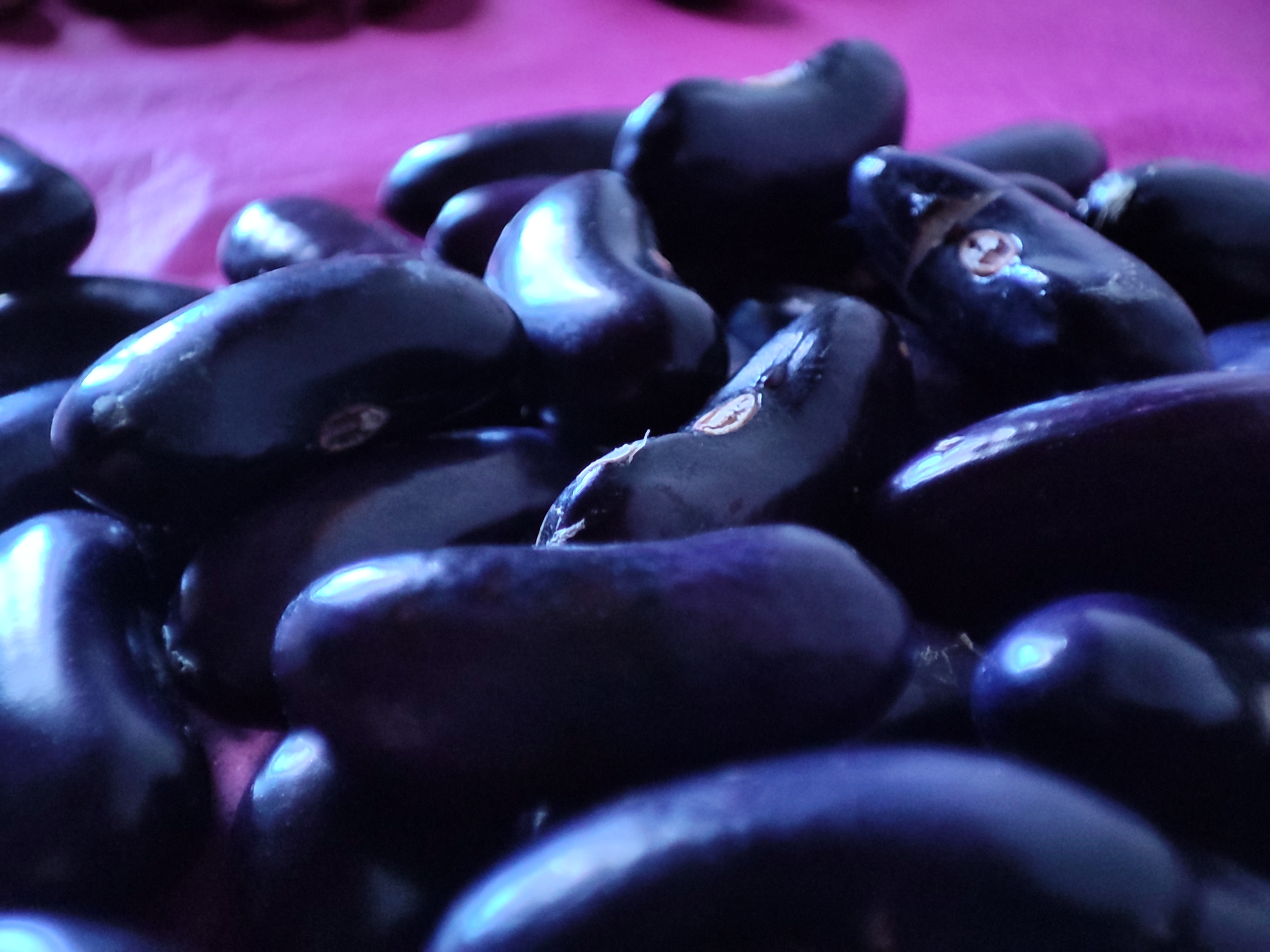
Beans ©Mawa Y.S.

Harvested beans with colour checker @Barbe Berto

Harvested beans ©Szilvia Eördögh
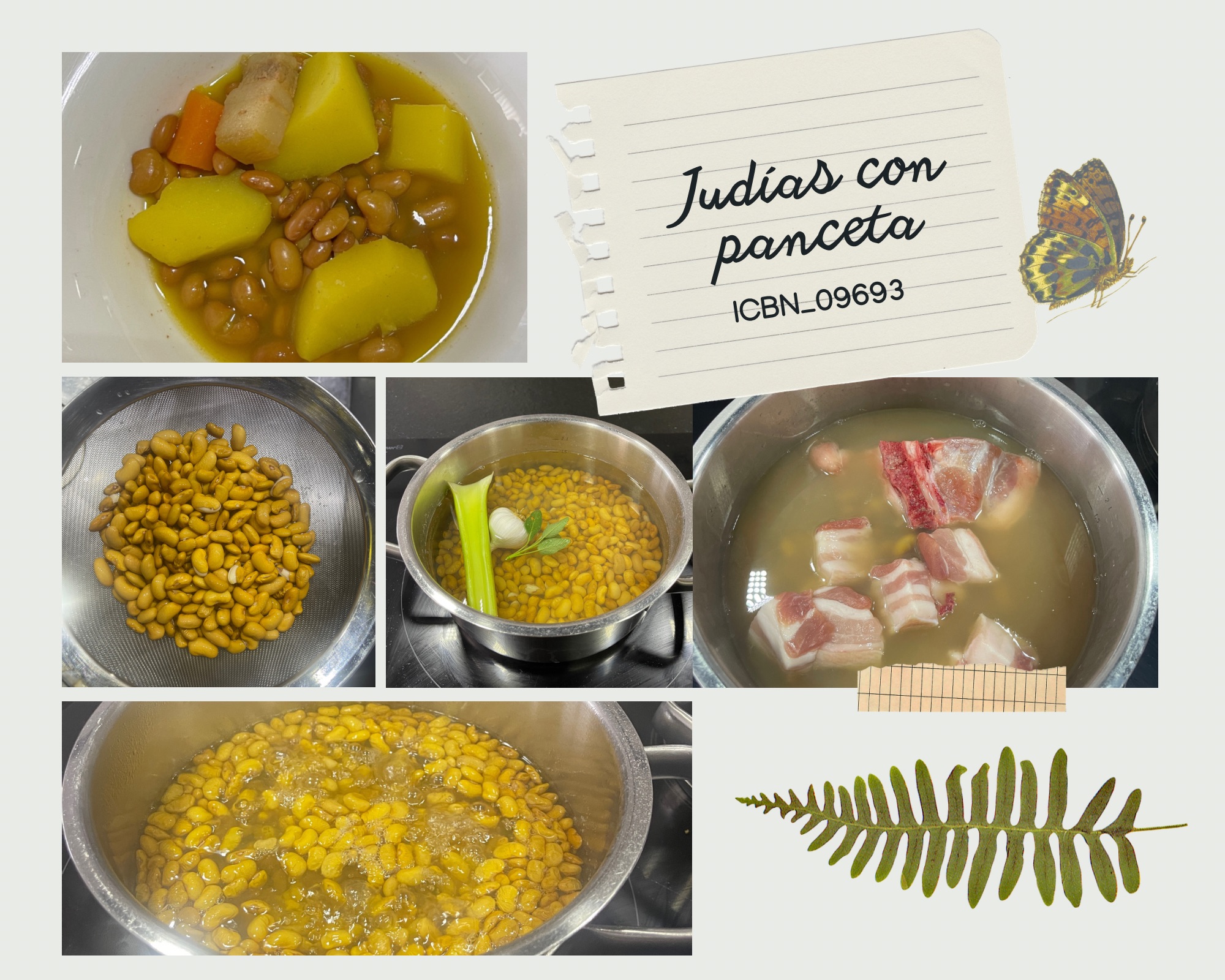
Meals with beans ©Maria Colomer
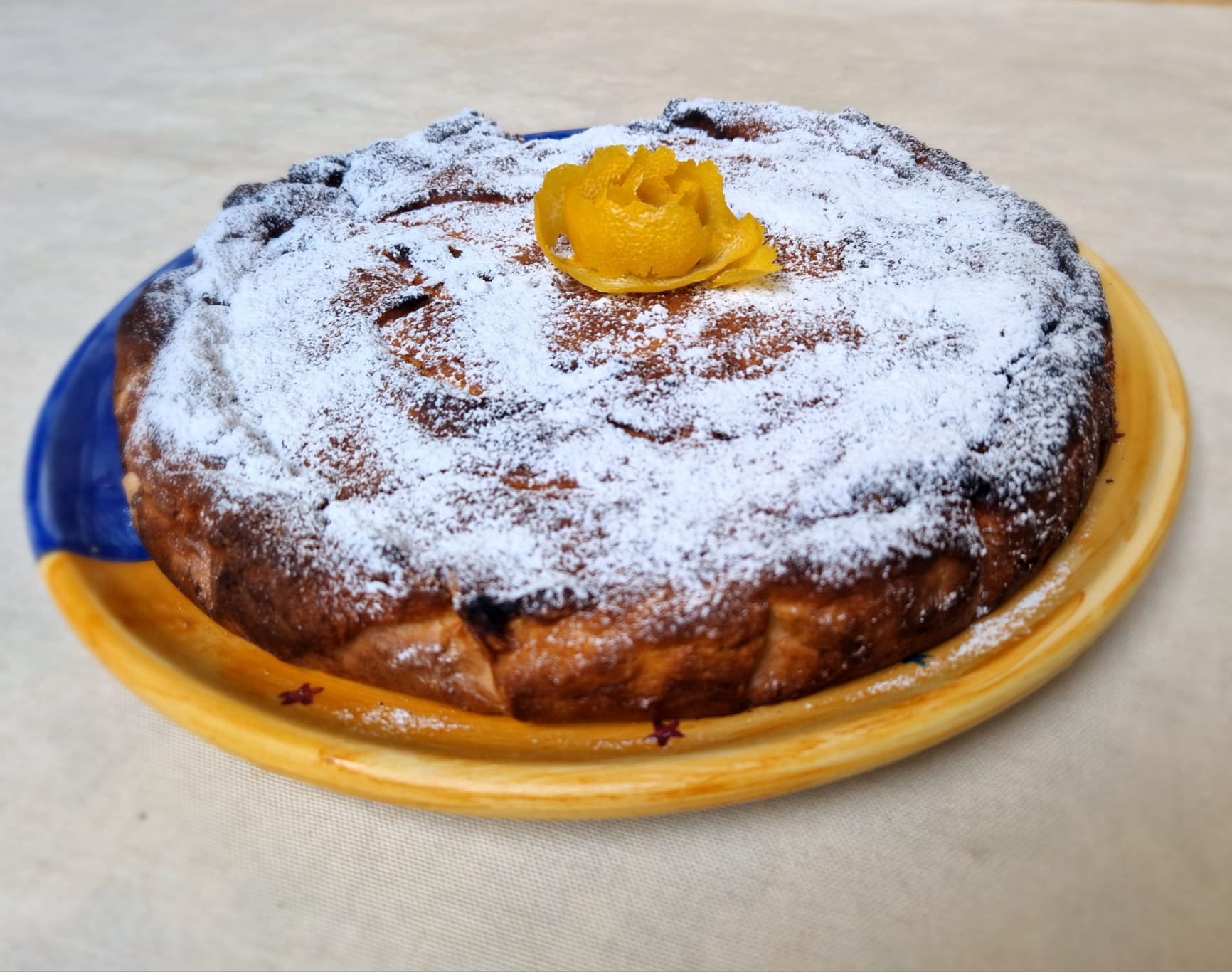
Cake with beans ©Chiara Serenthà
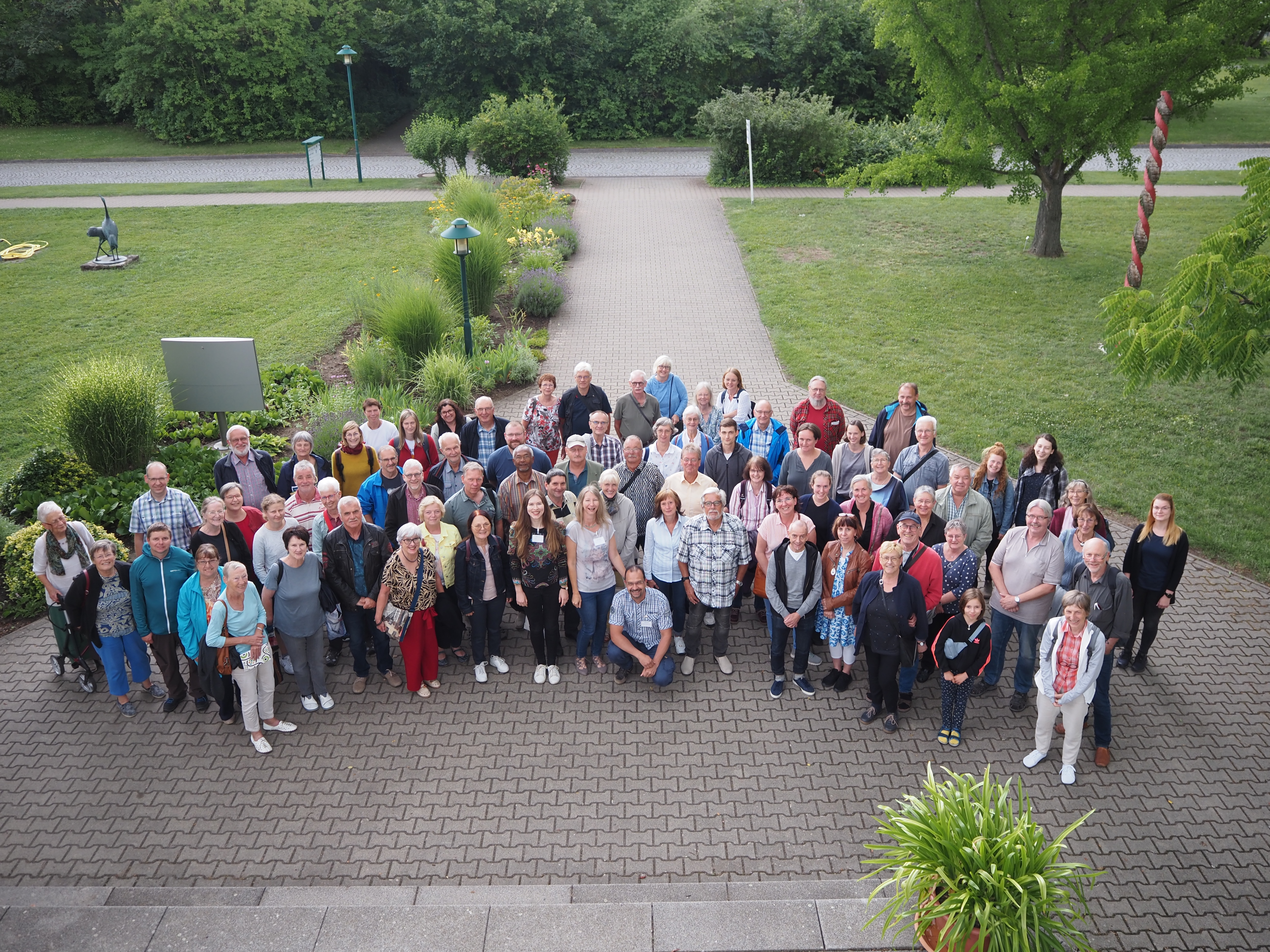
The 2023 Citizen Science Event at IPK Gaterleben, Germany ©INCREASE
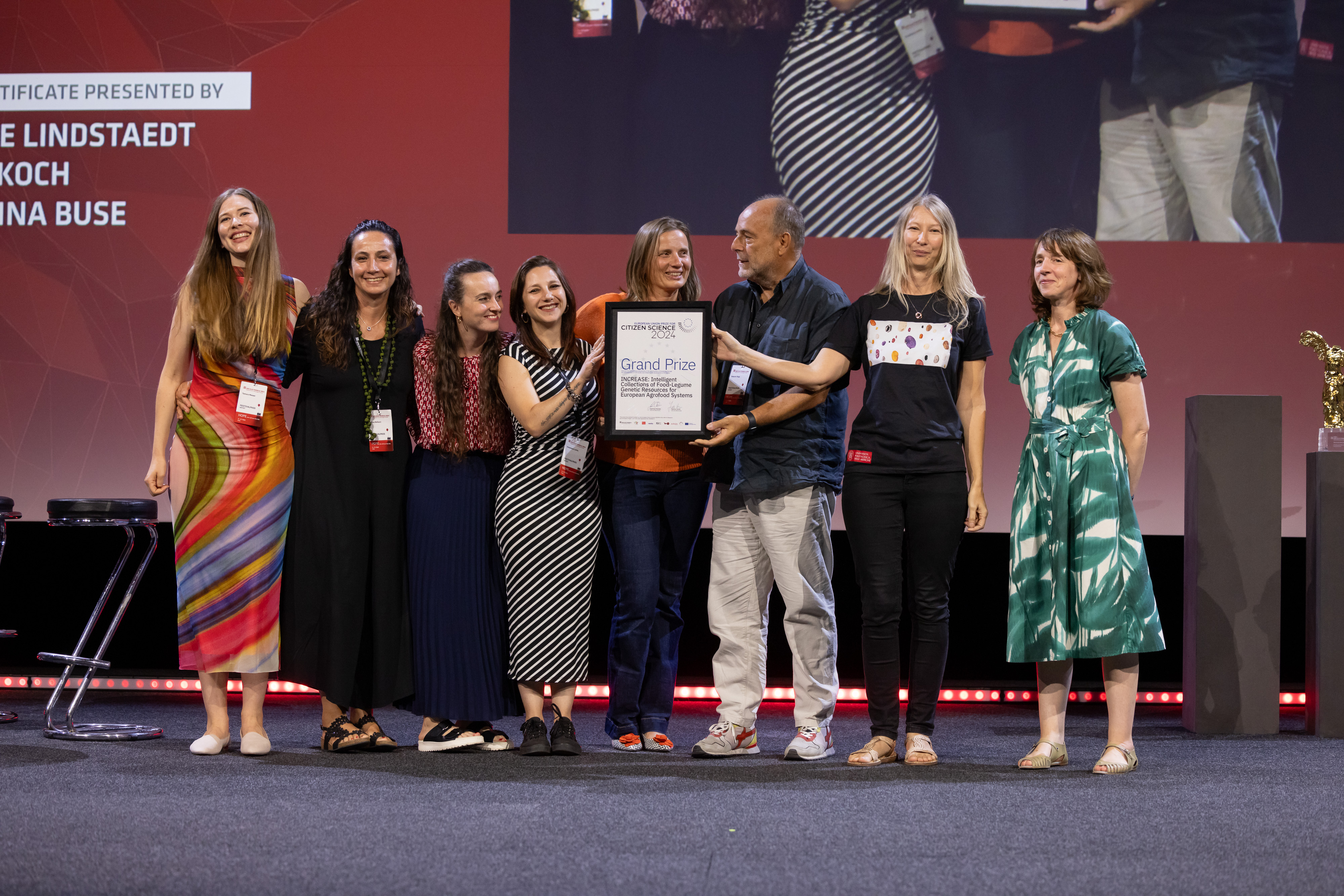
The INCREASE team at the award ceremony receiving the European Union Prize for Citizen Science in 2024 ©INCREASE
 - daniele malus.jpg)
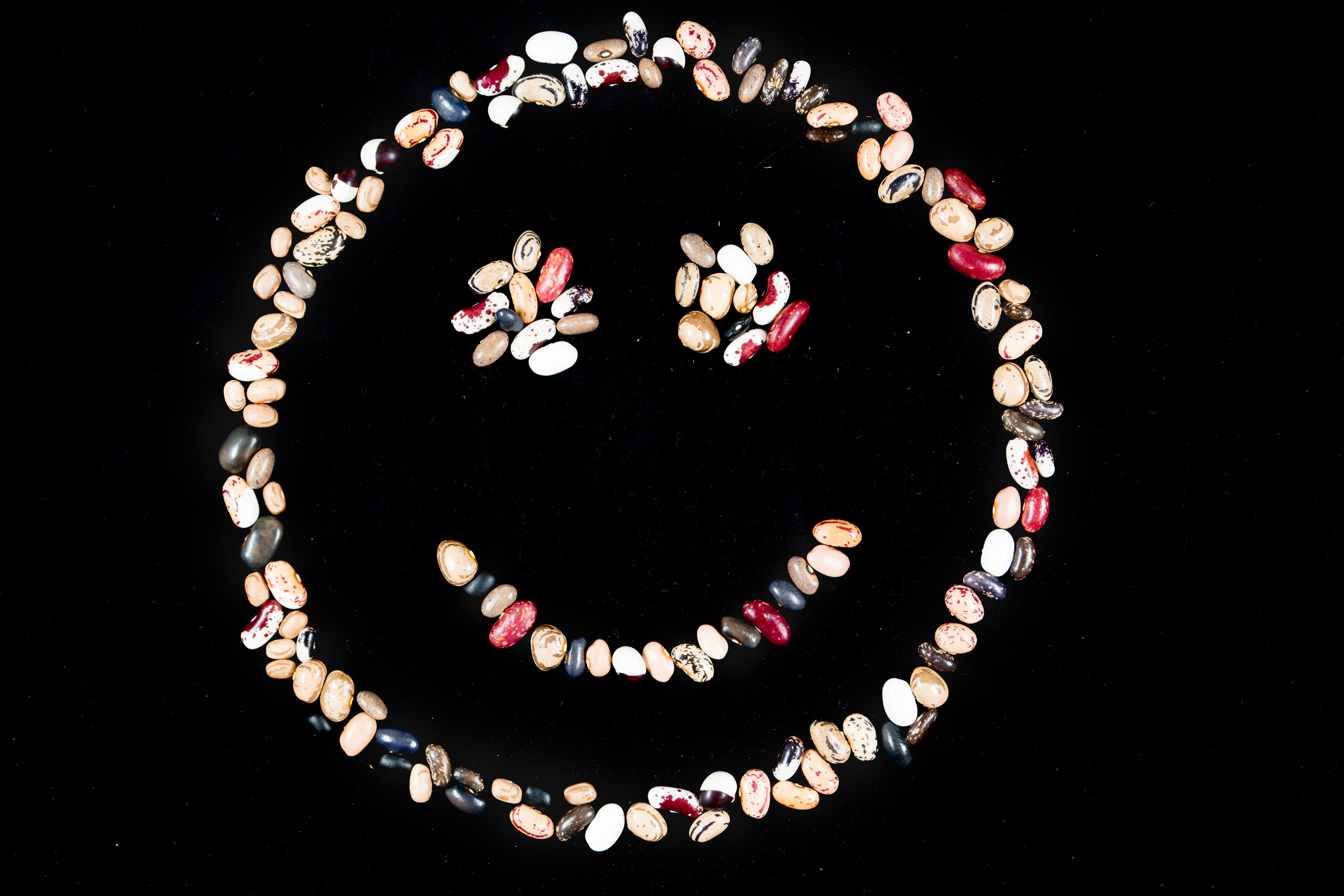
Bean art ©Daniele Malus
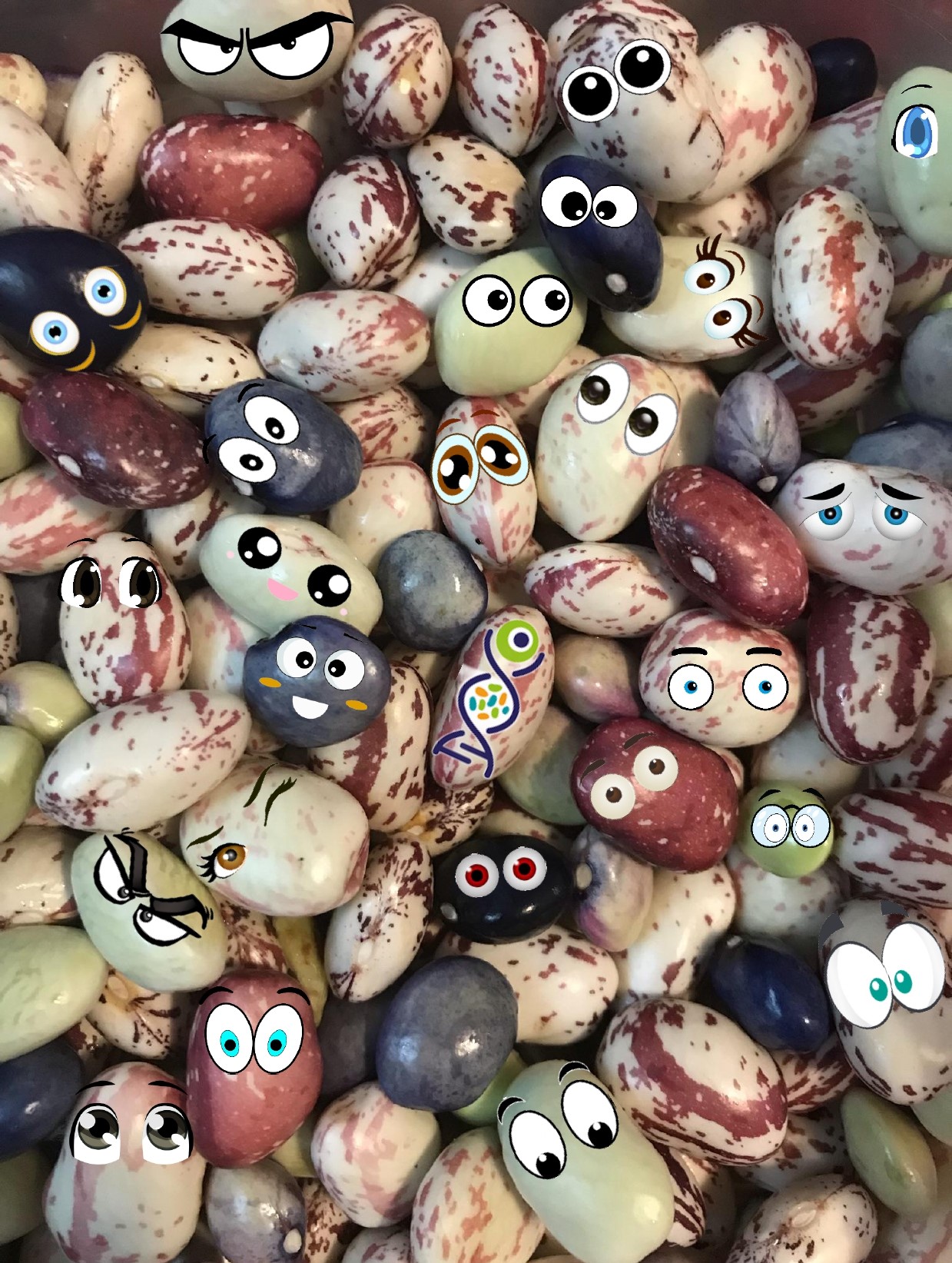
Bean art ©Sabrina Redaelli
) (3).png)
Keep growing and sharing the beans and conserve agrobiodiverity for a sustainable future
Feature
Growing More Than Beans: How a Portuguese Neighbourhood Centre Cultivates Science, Community and Opportunity